6,000-acre solar project permit nixed by Ohio Supreme Court, for now at least
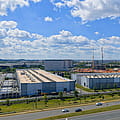
The state's Republican-led high court sided with Madison County officials who opposed the Shell subsidiary's project, citing missing visual renderings of substations.
Type at least 2 characters to search.
The state's Republican-led high court sided with Madison County officials who opposed the Shell subsidiary's project, citing missing visual renderings of substations.
Duke Energy and FirstEnergy want weaker reliability rules even as they miss current standards for the tenth consecutive year, drawing pushback from consumer advocates.
Husted's new senior advisor lobbied for AES, which made $77 million from the corrupt utility law at the heart of Ohio's biggest bribery scandal.
Exit polling suggests voters actually opposed the ban 54-46, but confusing ballot language flipped the outcome to 53-47 in favor of keeping it.
This story was originally published by Canary Media. Residents in Richland County, Ohio, voted narrowly Tuesday to keep a ban on utility-scale solar and wind across much of the community…
The nation’s largest electricity grid operator has called on power plant operators, investors, utilities and consumers to consider reforms to ensure the region’s wholesale electricity market can supply enough power…
In a Republican-dominated district, voters narrowly upheld a ban on utility scale renewables in most of the county in a 53% to 47% vote. A referendum backer called the result disappointing, yet ‘telling.’
Ohio is moving to approve fracking waste wells in Washington County despite local opposition — while solar and wind projects face permit denials for the same kind of pushback.
The U.S. Supreme Court declined to hear appeals from Larry Householder and Matt Borges, upholding convictions in Ohio’s HB 6 bribery scandal tied to FirstEnergy.
As Ohio electric bills climbed 22% in February — the sharpest increase of any state but one — the CEOs of the state's four electric utilities collectively took home $81 million in 2025, including a $37 million payday for AEP's top executive.
The Ohio Supreme Court reversed a state regulators' decision, ruling that third-party submetering companies supplying electricity to apartment tenants must be treated as utilities — sending the case back to the Public Utilities Commission and intensifying a legislative battle over consumer protections.
The average American household will spend $778 to cool their home this summer — an 8.5% jump from last year — as rising electric prices and hotter temperatures squeeze families already behind on utility bills.
Richland County residents vote May 5 on whether to overturn a commissioner-imposed ban on large-scale wind and solar projects — a decision that could set a precedent for clean energy fights across Ohio.
Richland County voters are deciding whether to reject a wind and solar ban. Organizations linked to pro-gas interests have given money to keep it in place.
A mistrial in the HB 6 utility corruption case sends former FirstEnergy executives Chuck Jones and Mik Dowling back to court Sept. 28 — with legal experts pointing to jury confusion over regulatory complexity as a key factor in the deadlocked verdict.
News and insights from the State Signals newsletter. Plus, the property tax abolition campaign is set to show its hand while opposition gets organized.
Utilities across the country are planning massive grid investments over the next five years, with Ohio utilities like Duke Energy and AEP planning billions in spending that could drive rate increases for consumers.
The Ohio Consumers’ Counsel said the ruling will force submeterers to play by the rules as they charge tens of thousands of Ohioans for electricity each month.
Ohio senators heard testimony Tuesday on two bills aimed at easing the state's power supply crunch — a community power pilot program that has already passed the House, and a virtual net metering bill allowing businesses to buy power from off-site generators.
The Energy Information Administration projects gas prices will remain above pre-war levels through 2027, contradicting Trump's promise of a rapid decline once the Iran conflict ends.