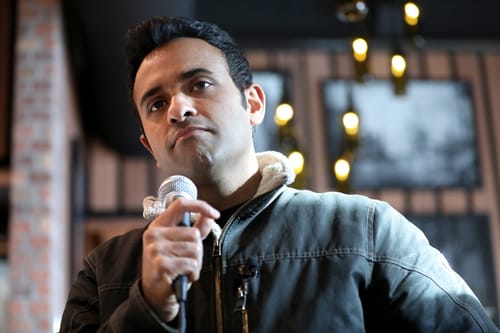

A submetering-company executive with a direct financial stake in Ohio energy legislation gave $25,000 to Republican gubernatorial nominee Vivek Ramaswamy in early June, as a bill setting the rules for his industry moved through the General Assembly — a measure Gov. Mike DeWine went on to veto weeks later.
Ohio Secretary of State campaign-finance records show that Michael DeAscentis II and Melanie DeAscentis, both listed at the same New Albany address, each contributed $12,500 to the Ramaswamy campaign on June 5. DeAscentis is the chief executive of Nationwide Energy Partners, a Columbus-area submetering firm, and of the apartment developer Lifestyle Communities.
Submetering companies buy electricity in bulk and resell it to tenants in apartments and condominiums, often adding fees. The arrangement has drawn complaints for years over billing practices and the fact that submetered residents cannot shop for their own power supplier or use state utility-assistance programs.
The contributions to Ramaswamy came the same week DeAscentis directed money to two of the Statehouse’s most powerful figures. Records show he gave $16,615 to House Speaker Matt Huffman on June 5 — a contribution that lists his employer as Nationwide Energy Partners — and $10,000 to Sen. Shane Wilkin, R-Hillsboro, on June 8. Wilkin helped shape the bill’s rate-cap provision and, according to reporting by the Columbus Dispatch and Ohio Capital Journal, chairs the Senate committee that handles utility legislation.
At issue was House Bill 173, sponsored by Rep. David Thomas, R-Jefferson. The bill would have exempted submetering resellers from Ohio’s full definition of a public utility while leaving them under some oversight by the Public Utilities Commission of Ohio. It followed a unanimous April ruling by the Ohio Supreme Court — written by Justice Patrick DeWine, the governor’s son — that companies buying and reselling power at a profit meet the legal definition of a utility.
Supporters, including Nationwide Energy Partners, argued the bill added consumer protections and capped submetered rates below the standard utility rate. Critics countered that it created a weaker, second tier of regulation for the industry than the court had just required.
DeWine vetoed the bill on Wednesday, June 24, siding with those critics. “While this bill does contain some consumer protections,” he wrote, “the submetering model, itself, is fundamentally flawed.” He objected that submetered customers could not choose their own generation supplier, could not access the state’s Percentage of Income Payment Program for low-income households, and could be billed for electricity used in common areas. “If this bill became law, Ohio, for the first time, would be legitimizing and legalizing this flawed submetering model,” he wrote.
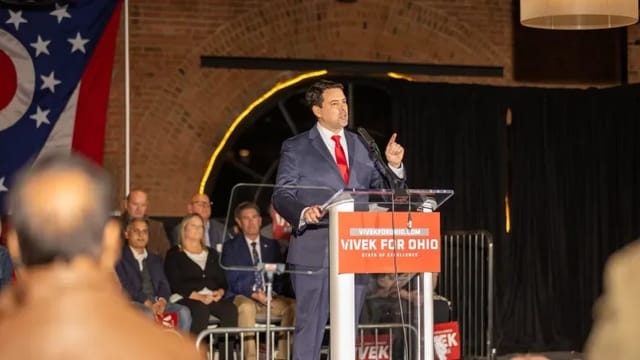
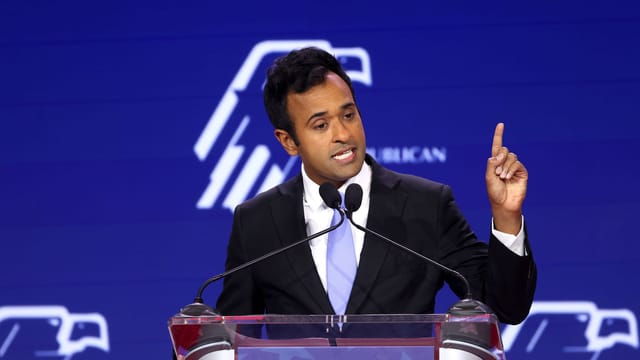
Ramaswamy, whose running mate is Senate President Rob McColley, holds no vote in the legislature and had no formal role in the bill’s passage or veto. There is no indication he took any action on the measure. As governor, however, he would sign or veto legislation like it — and the donations place the head of a company directly affected by the bill among his campaign’s June contributors.
The veto leaves the Supreme Court’s ruling in place, meaning companies that buy and resell electricity at a profit remain regulated as public utilities. The bill’s sponsor has said he intends to keep working on submetering legislation, and lawmakers could attempt an override before the session ends in December.
The dispute lands as electricity costs climb across Ohio. Capacity prices in the regional PJM grid, which feeds northwest Ohio, have set records in back-to-back auctions — rising from about $29 per megawatt-day two years ago to more than $329 — driven largely by surging demand from data centers. Those costs flow through to residential bills, keeping the price of power a central concern for voters heading into the November election.