FirstEnergy Corporation has asked Ohio regulators to approve three consecutive years of consumer electricity rate increases starting in 2027. Consumer advocates say independent scrutiny of the proposal will be important given the affordability crisis affecting utility ratepayers and the company’s ties to the state’s largest corruption scandal: House Bill 6.
Introduced in the Ohio General Assembly in 2019, House Bill 6 created a more than $1 billion bailout by ratepayers of two coal plants and the aging Davis-Besse and Perry nuclear power plants. FirstEnergy’s former CEO Chuck Jones and former Senior Vice President of External Affairs Michael Dowling are accused of racketeering in helping to arrange more than $60 million in bribes from FirstEnergy to former Republican Ohio House Speaker Larry Householder and his political allies, including former Public Utilities Commission of Ohio Chair Sam Randazzo, to ensure the bill’s passage.
The bill required residential customers to pay an additional surcharge of $1.30 to $1.50 each month, depending on which company owned their utility.
In December 2020, a judge blocked the nuclear plant bailout portion of the law. In March 2021, Gov. Mark DeWine signed a bill into law that repealed those provisions and refunded $26 million to consumers. A final repeal of coal plant subsidies wasn’t achieved until 2025, as part of a larger energy reform bill. Renewable energy mandates repealed by House Bill 6 have yet to be reenacted.
In January, the company agreed to pay an additional $275 million in restitution and refunds to customers of its three electric utilities: Ohio Edison, the Illuminating Company, and Toledo Edison. The company said the average residential customer would receive roughly $65 in bill credits over three months, and that $20 million would support low-income bill assistance, weatherization and energy-efficiency initiatives.
In April, FirstEnergy asked the Public Utilities Commission of Ohio to approve a rate increase at each of its three operating utilities, which would add between $4.26 and $5.30 to ratepayers’ monthly bills in the first year. That increase would double in the second year and triple in the third.
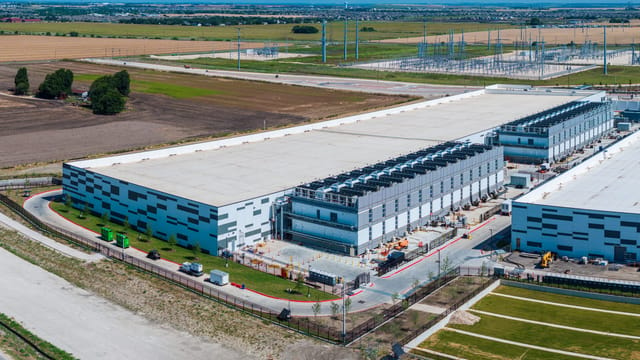
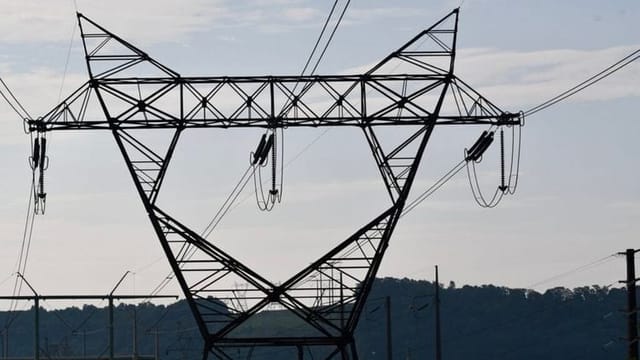
The company says it plans to spend $800 million per year on distribution system upgrades, including poles and wires, and an additional $83 million each year for tree trimming. FirstEnergy’s customers were among state residents who saw their monthly bills increase 10% to 35% in January 2025, a period during which the rapid growth of data centers drove energy demand, according to the Ohio Consumers’ Counsel. The company is now asking federal regulators to ensure data centers, not residential customers, pay the bill for raising their transmission interconnection costs.
J.P. Blackwood, a spokesperson for the Ohio Consumers’ Counsel, said families are still “ticked off” at FirstEnergy’s past behavior, but he hears more concern about today’s rising costs.
Blackwood said the proposed monthly rate increases may not seem like much, but they’re enough to derail a struggling family’s budget. He said he thinks FirstEnergy has a desire to provide affordable electricity, but there are too many incentives to charge too much. He said that it’s easy for companies to focus on their shareholders, but that it’s also important to focus on the customers.
“We’re hoping that this case will resolve in a way that makes sure that consumers who are struggling have good access to bill payment assistance, and that rates are affordable, and that data centers and other large-load providers are paying for the costs they cause,” he said.