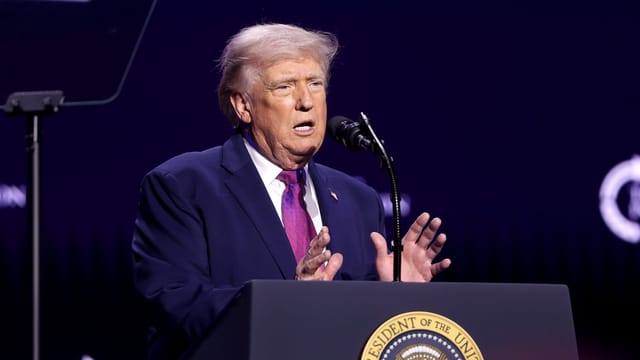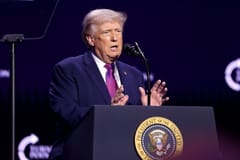
President Donald Trump has authorized roughly 661 million additional pounds of foreign beef to enter the United States under a lower-tariff quota over the next three months, moving ahead despite warnings from Ohio cattle producers and major national farm organizations that the policy could undercut American ranchers.
Trump signed the proclamation Wednesday, increasing the amount of imported lean beef trimmings eligible for the lower, in-quota tariff rate by 300,000 metric tons. The additional imports will be divided into three tranches of 100,000 metric tons, with the first opening Sept. 1, the second Oct. 1 and the final tranche Oct. 31. The expanded quota expires Nov. 30.
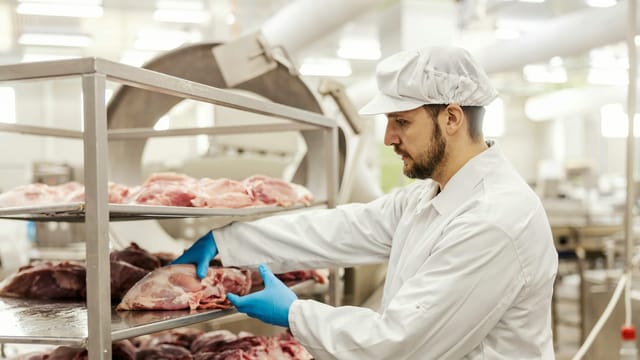
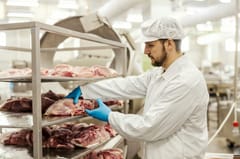
The policy applies specifically to lean beef trimmings, which are commonly blended with fattier U.S. beef to make ground beef. The White House did not identify particular countries that will supply the additional product, instead allocating the temporary increase to eligible nations classified in the tariff schedule as “other countries or areas.”
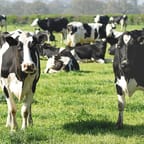
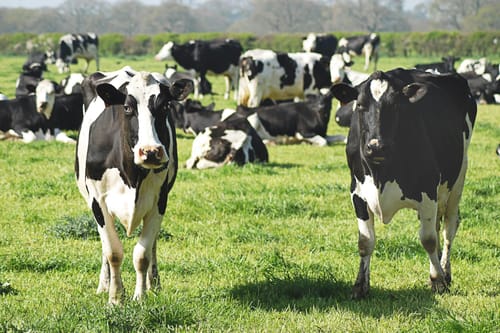
The move has drawn sharp opposition from cattle organizations, including the Ohio Cattlemen’s Association, which argues that increasing foreign competition now could weaken the market signals producers rely on when deciding whether to make the expensive, years-long commitment to expand their herds.
Ohio cattle producers push back
Ohio Cattlemen’s Association President Lindsey Hall said cattle producers are already contending with historically high costs for feed, land, equipment and labor.
“Artificially interfering with the cattle market through increased imports is not the answer to higher grocery prices,” Hall said after Trump first announced the plan Aug. 21.
Hall said stronger cattle markets have given producers an opportunity to begin rebuilding their herds after years of contraction, while policies that weaken those market signals could discourage producers from retaining animals and making the investments necessary to increase domestic cattle numbers.
The issue reaches directly into Ohio. USDA data show Ohio had about 1.23 million cattle and calves as of Jan. 1, including approximately 275,000 beef cows. The state had about 1.24 million cattle and calves a year earlier.
Northwest Ohio has thousands of cattle of its own. USDA’s latest county estimates counted approximately 5,500 cattle and calves in Seneca County and 4,500 in Sandusky County.
The beef dispute also comes as Ohio farmers navigate broader disruptions tied to Trump’s trade policies. TiffinOhio.net reported in December that Ohio agricultural sales to China had fallen sharply amid renewed tariff and trade disputes.
Earlier this week, TiffinOhio.net reported that Republican gubernatorial nominee Vivek Ramaswamy backed Trump’s reciprocal-tariff approach as Ohio manufacturers and farmers absorbed mounting costs and export losses.
Farm groups warn of pressure on American cattle prices
The American Farm Bureau Federation has urged Trump to reconsider the import expansion. The organization calculated that an additional 300,000 metric tons would translate to nearly a 60% increase in beef imports during the 90-day period compared with current levels and warned that the added foreign supply could put further downward pressure on prices paid to American producers.
Farm Bureau said U.S. beef imports are already at record levels while ranchers are attempting to rebuild herds reduced by years of drought. The organization has argued that weakening cattle prices now could discourage producers from retaining breeding animals, slowing a recovery that already takes years because cattle inventories cannot be rapidly expanded.
The National Cattlemen’s Beef Association also criticized Trump’s announcement, saying increased imports would undermine efforts by domestic producers to rebuild the U.S. herd.
“U.S. farmers and ranchers need stability,” the group said, arguing that cattle-production decisions are made years in advance.
Financial markets reacted immediately when Trump first announced the plan. Cattle futures fell to eight-month lows on Aug. 21 following the announcement, Reuters reported. Economists and traders interviewed by Reuters also questioned whether the import increase was large enough to produce a noticeable change in retail beef prices.
The order does not guarantee lower grocery-store prices
The White House has presented the import expansion as an attempt to address high beef prices, but the proclamation does not guarantee that shoppers will see a particular reduction in the retail price of ground beef.
Under Trump’s order, the Department of Agriculture and U.S. trade officials must monitor whether lean beef trimmings entering under the expanded quota are being sold at prices 25% below the market price for those trimmings. If they are not, the administration must notify Trump, who could eliminate the remaining expanded quota.
That 25% provision applies to the imported beef trimmings themselves. It does not mandate a 25% reduction — or any specific reduction — in the price consumers ultimately pay for ground beef at a supermarket.
The administration argues that additional imports are necessary because domestic cattle supplies remain constrained by drought, wildfires and restrictions on live cattle imports from Mexico stemming from concerns over New World screwworm. The White House also says USDA expects U.S. beef production to decline about 4% this year compared with 2025.
Federal cattle data confirm that the domestic breeding herd remains tight. USDA reported 27.6 million beef cows as of Jan. 1, down 1% from the previous year. By July, USDA counted 28.5 million beef cows, also 1% below the previous July, although the midyear report showed the overall cattle and calf inventory edging higher.
Trump’s latest action is also not the administration’s first expansion of foreign beef access this year. The Aug. 26 proclamation specifically leaves intact a separate increase Trump authorized in February for 80,000 metric tons of lean beef trimmings from Argentina.
Trump shifts attention to meat processors amid backlash
As criticism from cattle producers continued, Trump on Friday turned his attention toward the highly concentrated meat-processing industry. He said his administration was preparing legal measures aimed at giving farmers and ranchers more ability to process and sell their own meat, according to Reuters.
Agriculture Secretary Brooke Rollins said additional announcements involving beef processing are expected beginning Monday. She said the administration is considering expanding opportunities for ranchers to sell across state lines, increasing support for smaller processors and rescinding existing federal guidance.
Four companies — Cargill, Tyson Foods, JBS USA and National Beef Packing Co. — control about 85% of U.S. meat processing, Reuters reported. Farm and cattle organizations have long raised concerns about consolidation and the limited number of buyers available to producers, though the National Cattlemen’s Beef Association warned Friday that any regulatory changes should preserve federal meat-inspection standards.
For Ohio cattle producers, the more immediate change arrives Monday. Beginning Sept. 1, the first 100,000-metric-ton tranche of Trump’s expanded foreign beef quota will open, followed by another 200,000 metric tons scheduled to become available before the end of November.