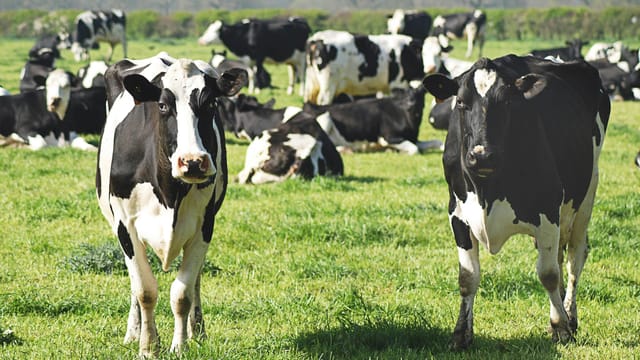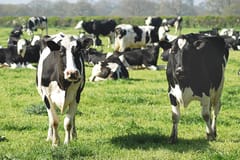
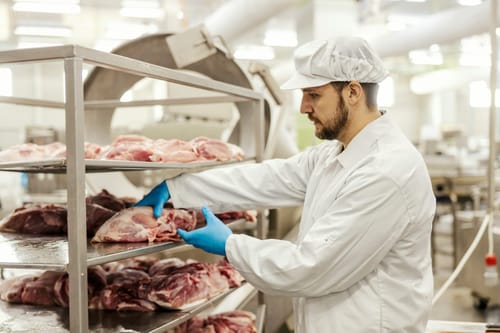

Beef prices in the United States have jumped nearly 57% over the past five years, according to the U.S. Bureau of Labor Statistics. NPR reported in May that the U.S. cattle herd was the smallest it’s been in 75 years, amid drought and international competition.
President Donald Trump’s response to low stocks and high prices, to the disappointment of domestic beef producers, has been to open American markets to cheaper imports. Last month, the president announced that as of Sept. 1, the United States would waive tariffs on up to 300,000 metric tons of imported ground beef for 90 days. In a Truth Social post, he said, “This deal will reduce prices for Americans while giving space for our Great American Beef Herd to grow again.”
CNBC reported that the beef, which was to be imported from so far undisclosed countries, was to be sold at 25% below current market prices.
In February, Trump signed an executive order authorizing the import of 80,000 metric tons of beef from Argentina.
John Boyd Jr. is a fourth-generation farmer and cattle rancher in Baskerville, Virginia, and the founder of the National Black Farmers Association.
Boyd told the American Independent in an interview: “The only thing that we produce in this country that doesn’t require a pod, or adding something to it, or sending out the country and coming back is agricultural commodities like wheat and soybeans and corn, all this stuff, and beef. And he came right in as president, Trump did, and imposed tariffs that had an immediate impact on farmers and prices, and took a lot of farmers out.
“Then he comes in with this war in Iran that — we already had high input costs when he messed with all that stuff, and then all that went through the roof,” Boyd continued. “Then farm foreclosures, farm bankruptcy, farm suicide — all of these things escalated, and the number keeps going up. …. But he keeps saying he loves farmers. He gets away with it, and he’s ruining the agriculture sector in general, and the United States.”
Boyd, who said his family has been raising beef for over 100 years, said that raising beef is not merely an industry, and that there are more important considerations than low prices.
“There is an art and skill set of raising good beef. I was taught by two generations before me. My dad and my grandfather taught me how to raise beef cattle. They taught me how to select a bull,” he said. “They taught me how to select a herd for the turnout to drive calves. All of these things that I learned wasn’t learned in one season. It took me a long time to learn the art and skill set of raising beef, good healthy beef that people would want to eat. “
It’s the kind of know-how that becomes harder to find with each passing year.
“We’re losing a generation of farmers. So we’re losing these kind of guys that can really know how to raise beef,” Boyd said.
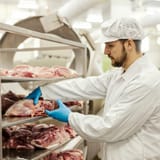
He said that the beef being imported from undisclosed countries is not being inspected the way it should be. “We’re not checking this beef. [Neither] the president nor the agriculture secretary has answered where in the Sam Hill this beef is coming from, but they’re going to allow it to come to the United States and infiltrate our food sector,” he said. “I see it as a national security issue.”
Importing beef also imperils the industry, he said, putting more farmers in jeopardy of losing their cattle farms due to lower sales.
“You’re going to give up the freedom to farm here, which means you won’t have the selection in your supermarkets, because we’re going to be begging other regions of the world to feed us,” Boyd said. “And, you know, he who controls the land controls the man, controls the food. And if you don’t have a food supply in this country to feed your people, then you’re at liberty to beg others to feed you, which is a very dangerous position for the United States.”
Asked by reporters in August about his plan to increase beef shipments into the United States, Trump said: “Well, we want to get the beef prices down, so we’ll get them down a little bit, and that’s what people want. That’s what the voters want, and that’s what I want. The ranchers are great. They’re my people. I love the ranchers. They’ve done a fantastic job, but they admit that we need a little help, and in order to get the prices down, so that’s what we’re doing.”
Boyd said he wishes people would ask the Trump administration why American farmers are losing their farms due to its policies.
“It’s 100 degrees today in Virginia, but I’m going to be out here in it, doing the best I can in it. So it’s a very hard occupation, and to get treated the way that we’re treated in this country is — man, it’s deplorable,” he said. “That’s the only word I can use to describe it.“