
Breanne Kidd and her family moved into their dream home just outside of Bowling Green in 2019.
Now it’s a nightmare.
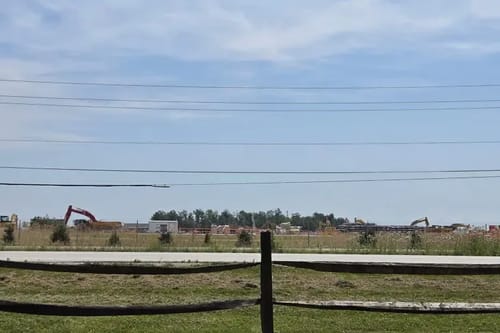
Over the past year, Kidd’s view of the green pastures that surrounded her Middleton Township home has been replaced with construction, dust and fumes as workers build a 715,000-square-foot data center campus for Meta, the Silicon Valley-based company that owns social media giants Facebook, Instagram and WhatsApp.
“We moved to the country to give our kids that quiet life, and we love our sunrises from our home. We can see the sunrise; we can see the sunset. We love seeing the stars,” Kidd said. “And now this data center has taken all of that from us.
“We can no longer see the stars because the security lights over there are so bright,” Kidd continued.
As companies rush to power artificial intelligence, there has been a surge in the number of data centers in the United States — especially in rural communities in the Midwest and South, according to an analysis by the Pew Research Center. Ohio had 166 operating and 57 planned data centers at the time that analysis came out in April 2026, making the state home to the fourth-highest number of operating data centers in the country. Data Center Map, a website that tracks data centers in the United States, reports there are 240 data centers in Ohio.
While the companies that build data centers often tout them as job creators and draws for other economic investment, public polling in much of Ohio and the country at large show that they are unpopular. About 70% of Ohioans favor a temporary ban on the construction of new data centers until there is more information about their effects, while 60% believe the centers are bad for home energy costs and 57% think they’re bad for the environment, according to an April survey from Bowling Green State University.
Opponents cite the centers’ vast consumption of water and electricity, which can drive up energy bills; the noise and light pollution they emit; fears of artificial intelligence taking people’s jobs; and the centers’ impact on the environment and public health. Researchers have found that data centers increase the surrounding air and ground temperatures and could contribute to higher rates of asthma.
“I could literally talk hours about data centers and how they’re set up and how they’re completely horrible for people’s health,” said Joe Fuller, a thermal engineer who lives close to Sunbury, where Amazon is trying to build a data center. Fuller has worked at data center construction sites in Ohio and other states.
Fuller said he started having health issues within a matter of months of beginning work at data centers. Now, he has asthma and colds at least once every other week. He regularly suffers from sinus headaches and said, “Coughing up stuff from my lungs is an ongoing daily occurrence.”
Residents also criticize state tax breaks given to data center companies.
From 2017 to 2024, Ohio provided about $2.5 billion in tax incentives for data center development, according to a report prepared for the Ohio Chamber of Commerce Foundation.
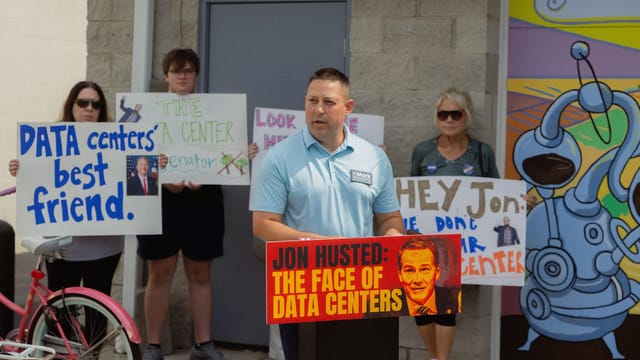
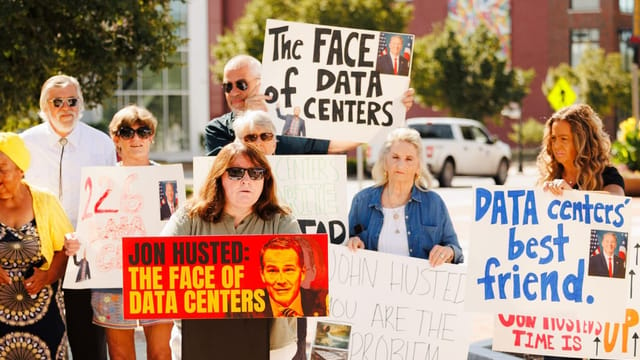
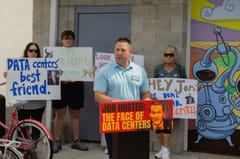
“There’s deals being done that don’t necessarily benefit the people of the state, and they’re benefitting the large companies,” said Linda Moodie, a county leader for Conserve Ohio, an all-volunteer group working to collect petition signatures with the goal of banning large-scale data centers. “And I think we’re definitely hitting a point in the political climate where people are very tired of being ignored and tired of the large corporations taking [precedence] over the benefit of the citizens themselves.”
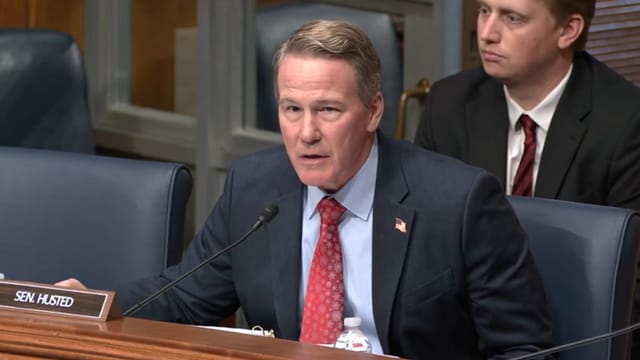
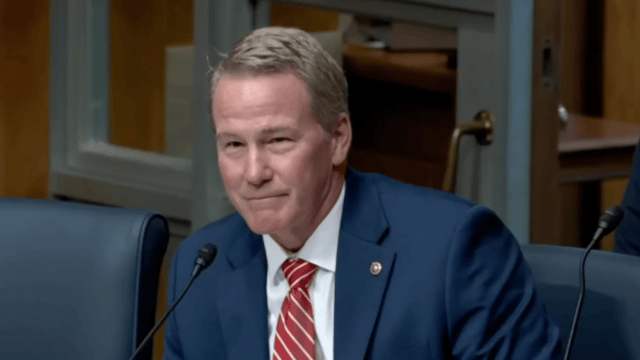
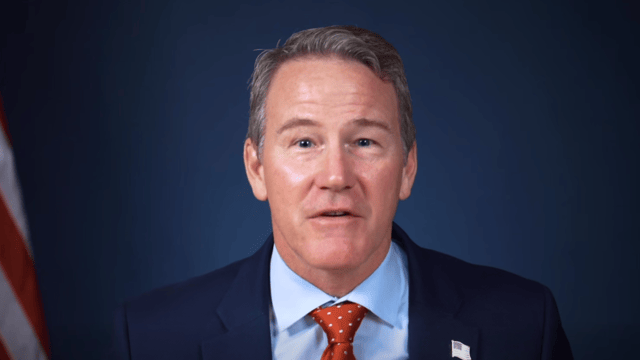
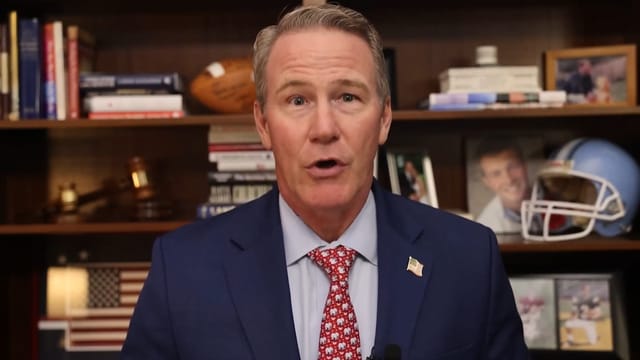
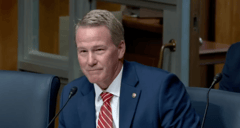
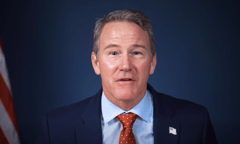
Ohio politicians have taken varying stances on data centers. As Ohio’s lieutenant governor from 2019 through 2025, current Republican U.S. Sen. Jon Husted championed bringing projects to Ohio and supported tax breaks for companies building data centers. Husted backed Google’s plan to build a $600 million data center in New Albany, which is now up and running.
Google received a 15-year property tax abatement and a 15-year sales tax exemption that were expected to total $43.5 million, according to a 2019 report from Ideastream Public Media.
In July of this year Husted introduced legislation in the Senate that would, according to a press release, “require states to consider establishing standards for states and Public Utility Commissions when connecting large electricity users—such as data centers—to the grid.”
Sherrod Brown, the Democratic Senate nominee running to unseat Husted, said in a campaign ad that he would ensure data centers cover the full cost of their electricity use. Brown has also advocated for local residents having more of a say over data center development.
Previously, Brown, like Husted, praised tech companies for investing in Ohio. In an archived 2015 press release, Brown, then a U.S. senator, said he welcomed Amazon’s announcement that it would open a data center in New Albany.
Asked for comment about concerns over the Middletown Township data center, a Meta spokesperson detailed in an email the financial investment the company is making in the area, noting the center will create tax revenue for the local area and support more than 1,000 temporary jobs during the construction phase and at least 100 jobs when the site is operational.
Meta said it has provided funding for 20 community projects totaling more than $460,000 in the Bowling Green area and committed to $28 million in road and water infrastructure projects.
“We are committed to being good neighbors, and that includes listening to concerns and, when necessary, taking action,” Rachel Holland, a Meta spokesperson, said in a statement prepared for the Ohio Independent. “We communicate regularly with residents and officials, and take proactive steps alongside our general contractors to minimize impacts from our data center projects — including answering questions, sharing updates, and ensuring our construction and operations meet community expectations and applicable laws, regulations, and permit requirements.”
Kidd said she wants her life to return to what she once knew: watching the sun rise from her dream home.
Instead, she and her family are contemplating moving.
“I love the petitions, and I love how we’re all fighting against it, including myself,” Kidd said. “But I really feel like it’s bigger. It’s bigger than all of us, and it’s just this big, powerful, greedy machine that just cannot be stopped. And that’s what’s heart-wrenching. We can put up our fists, and we can rally, and we can say no, and they’re just going to come in and say, ‘Too bad; we’re here.’”