
Average Ohio residential utility bills are now projected to be about $800 for the summer, a new report says. That’s a 17% increase over the $682 Ohioans paid last summer, said the report, by Washington, D.C.-based Third Way.
The estimates are of total average electricity costs from June to September. They were done using data from Heatmap News, which collaborated with the Massachusetts Institute of Technology to create the Electricity Price Hub.
“The United States is currently experiencing record energy demand driven by data center growth, domestic manufacturing, and electrification,” the report said. “And we simply aren’t bringing on new energy quickly enough or in large enough quantities to affordably meet rising demand.”
The estimated increase in Ohioans’ electricity bills comes after a big jump last year. Between May and July 2025, they saw a 108% spike, the report said.
There are other estimates saying that this summer’s increases will be lower — about 7.5% over last year. However, the Third Way report said that Heatmap data show the average Ohioan’s May 2026 bills were 14% higher than in 2025.
“If costs increase at a similar rate as last year, July bills will be around $238,” the report said. “And total electricity bills for summer 2026 could exceed $780.”
That puts Ohioans and other Americans in a financial bind.
“The affordability challenge is growing,” said the National Energy Assistance Directors Association and the Center for Poverty, Energy and Climate. “One in six American households is behind on its utility bills, utilities disconnected electric service approximately 13.5 million times in 2024, and nearly 40 percent of households earning less than $50,000 report difficulty paying energy bills.”
In Ohio, electricity increases can be particularly galling, given that consumers were forced to pay hundreds of millions in subsidies over the last several years as a result of what was likely the biggest bribery and money-laundering conspiracy in state history.
In addition, Ohio utilities have been allowed to keep more than $1 billion in rate increases the state regulator allowed, but the state Supreme Court later declared to be illegal.
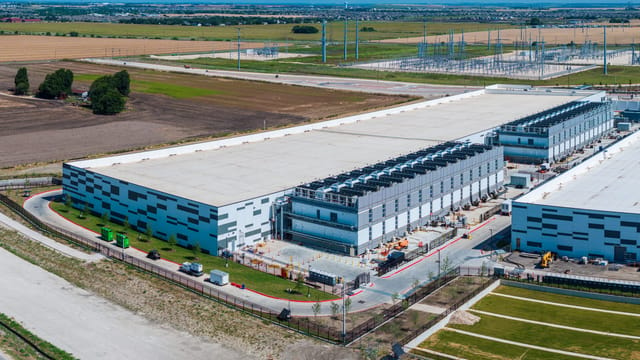
And Ohioans last month learned that former Gov. John Kasich gave corporate giants like Google, Amazon, and Meta 40-year tax breaks worth billions to build electricity-sucking data centers.
Third Way said more generation is needed. It faulted the Trump administration for blocking obvious solutions to the problem.
“To grow domestic energy generation and mitigate the impact of rising electricity demand, increasing clean energy deployment is a natural next step,” the report said.
“Clean energy sources like wind, solar, and batteries take less time to build and aren’t subject to the same kind of supply chain shortages and price fluctuations that plague natural gas. But the Trump Administration has stymied clean energy deployment by undermining financing for clean energy, imposing administrative roadblocks that delay project reviews, and formally deprioritizing low-cost resources like solar and wind in federal directives.”
At the same time, the Trump administration is putting up federal funds to prop up aging coal-fired plants in Ohio — including one that just lost subsidies that were created by the corrupt 2019 utility bailout.
Francesca Hsie, Deputy Director of Electricity for Third Way, said Trump’s approach is only increasing Ohioans’ electric bills.
“Ohioans are staring down electricity bills that could cost more than $800 this summer,” she said in an email.
“Instead of working to lower those costs, the Trump administration is attacking the very clean energy generation that could help meet the state’s record electricity demand and forcing aging coal plants to stay open long after their scheduled closure.”
She added, “That’s the opposite of an affordability strategy — it will make Ohioan’s energy bills higher long into the future. At a time when families across Ohio and the U.S. are struggling with rising costs, federal, state, and local governments must work together to lower electricity prices by expanding clean energy and modernizing our grid.”
This story is republished from the Ohio Capital Journal under a Creative Commons license. View the original article.