Data center tax breaks are on the chopping block in some states
Lawmakers in multiple states are moving to curb or repeal data center tax incentives, citing rising electricity costs, environmental concerns and billions in lost revenue.
Type at least 2 characters to search.
Page 8 of 8
Lawmakers in multiple states are moving to curb or repeal data center tax incentives, citing rising electricity costs, environmental concerns and billions in lost revenue.
AEP Ohio says its new data center tariff reduced projected demand from 30,000 MW to 5,700 MW, but manufacturers challenge the forecasts and warn of higher costs for ratepayers.

Hilliard parents fight AEP fuel cells and diesel generators sited under a mile from Beacon Elementary, as the city says the state holds control.

House Bill 646 would create a data center study commission in Ohio — and require it to examine whether local opposition is fueled by “foreign propaganda.”

Ohio Senate Democrats unveiled legislation to limit data center tax breaks, boost local control, and require developers to cover infrastructure costs amid growing concern over energy, water, and community impacts.
As electricity bills rise, states are targeting data centers with higher rates and stricter rules to prevent their massive energy demands from driving up costs for households and small businesses.
Republican challenger Eric Watson says Ohio House races should focus on issues, not insults, as he contrasts policy positions with incumbent Gary Click ahead of the May 5 primary.

Tiffin entrepreneur Eric Watson has launched a Republican primary challenge against State Rep. Gary Click, attacking his support for Digital ID legislation and corporate ties. The May 5 primary winner faces Democrat Aaron Jones in November.

As Big Tech expands AI data centers, Ohio and the nation face higher energy bills, strained power grids, and growing climate and consumer costs, according to new reporting.

Two solar industry leaders argue community solar, now before the Ohio Senate, could ease data center strain on grids and ratepayer bills.
Bipartisan state lawmakers say they will keep regulating artificial intelligence despite President Trump’s executive order seeking to override state AI laws and centralize federal control.

With PJM’s price cap about to expire, analysts expect capacity costs to rise sharply amid data-center growth and slow power-plant buildouts — pressures that could raise Ohio families’ electric bills in coming years.
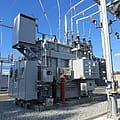
Electric prices are up sharply as AI data centers boost demand, yet Ohio disconnections have dropped — a trend consumer advocates say masks growing hardship as household costs and energy bills continue to rise.
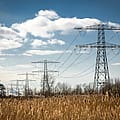
Ohio House Bill 15 enabled rapid approval of a massive gas-powered fuel cell at a data center near Hilliard neighborhoods, raising climate and public health concerns.
PJM’s market monitor wants federal regulators to let the grid operator delay new data center connections, citing reliability concerns as Ohio faces massive projected energy demand and ongoing disputes over utility policies.
Cleveland Fed surveys show Trump’s tariffs driving inflation and weakening business activity while consumer spending stalls and low-income Ohioans feel added strain from federal policy disruptions.

As Ohio’s electricity prices climb with growing energy demand from data centers, a panel of economists says expanding nuclear power could help—but opinions are divided. While most believe more supply would lower costs, others warn that high construction costs, safety concerns, and past scandals make nuclear energy a risky bet.

AEP Ohio and a utility trade group argue non-subscribers would cover costs of the 1,500-megawatt pilot, which was cut from the HB 15 overhaul.

Ohio is witnessing the construction of an unprecedented amount of data centers in the state. Columbus is ranked the 10th…