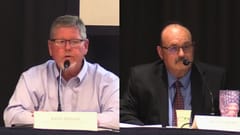
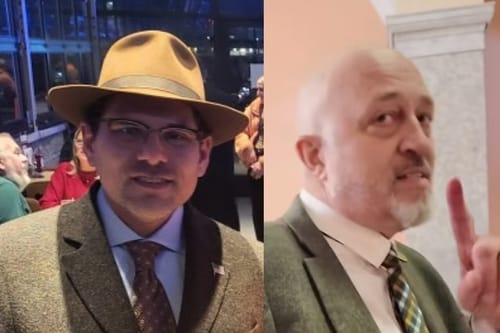
TIFFIN, Ohio — Republican primary challenger Eric Watson is drawing a contrast with incumbent Gary Click not by escalating rhetoric, but by rejecting it altogether.
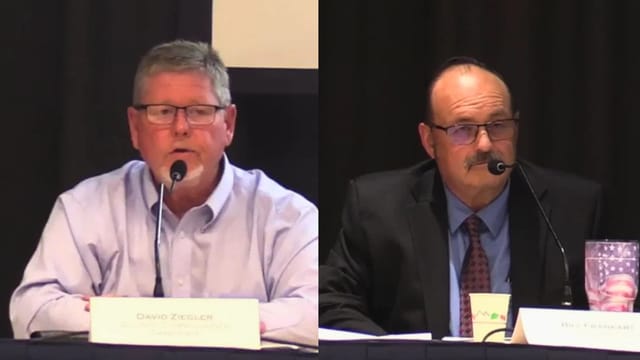
In a recent interview with TiffinOhio.net, Watson dismissed Click’s public remark characterizing the primary challenge as “in the ditch,” saying insults and name-calling are unnecessary in a race that should focus on issues facing voters in Seneca and Sandusky counties.
“I’m not into the name-calling or any of that stuff,” Watson said. “I really, as a candidate, want to focus on the issues that voters are concerned about. At the end of the day, this is about the people, and them casting a vote is their way to use their voice.”
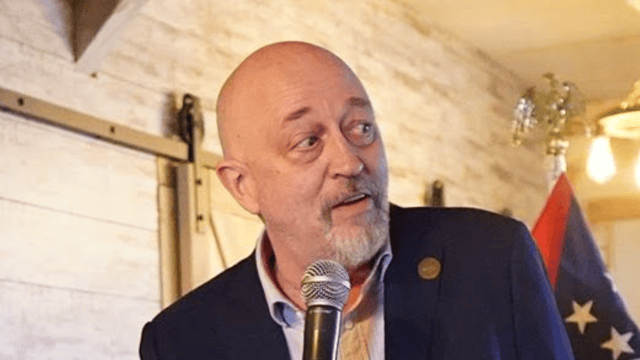
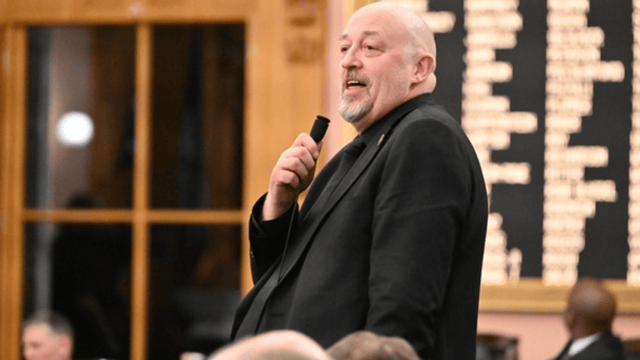
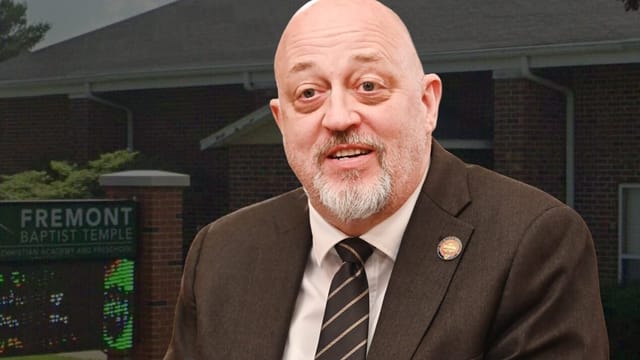
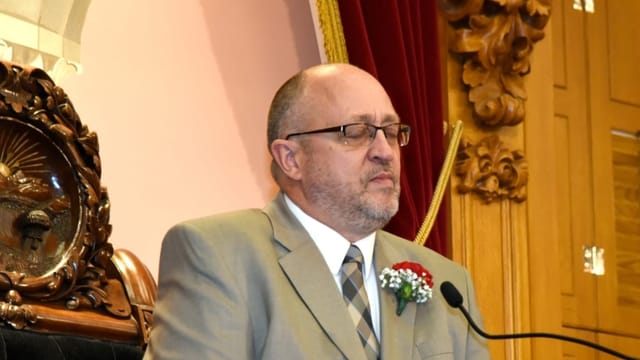
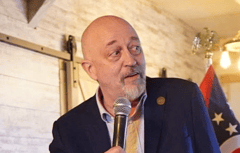
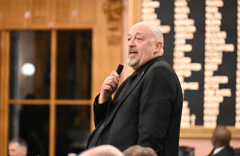
Click, a fundamentalist Baptist preacher, former community theater actor, and three-term Republican from Vickery, has publicly downplayed Watson’s candidacy as he seeks what would be his final term before term limits.
Watson has recently calling on local Republican leaders and political organizations to remain neutral in the primary contest. In a statement earlier this week, Watson said contested primaries should be decided by voters rather than party insiders, arguing that an open process strengthens accountability and public trust.
“Primaries exist to give voters a choice,” Watson said. “The people of District 88 deserve the opportunity to hear from all candidates and decide for themselves.”
Policy differences without personal attacks
While declining to engage in personal criticism, Watson outlined a series of substantive disagreements with Click’s record, particularly on emerging technology, taxation, and election policy.
Watson said he has spoken with residents concerned about the potential siting of AI data centers in rural communities, arguing that state leaders have been slow to respond to those concerns.
“These are issues that weren’t there before,” Watson said. “I spoke with some of my constituents and was informed that Gary Click wasn’t getting back with any of them on the potential for AI data centers in our communities. Perhaps he’s only focusing on this issue now that I’m running against him.”
Watson has also drawn contrasts on election administration, criticizing Click’s evolution from previously supporting paper ballots to accepting electronic voting systems. Watson advocates a return to all-paper ballots with watermark encryption technology, citing concerns he says were reinforced by his attendance at a 2020 election integrity hearing.
On taxation, Watson reiterated his support for abolishing Ohio’s property tax system, a position Click has not embraced.
“A lot of people are for abolishing property tax. He’s not,” Watson said. “He’s just going along with what the establishment is telling him to do.”
Watson proposes replacing the property tax system with an increased sales tax statewide.
Corporate influence and accountability
Watson also questioned Click’s approach to economic development, particularly tax abatements granted to large technology companies.
“These are the richest entities on Earth that are building these AI data centers, yet they’re getting 15 to 20 year tax abatements,” Watson said. “Why didn’t he say something about that before I started running?”
Campaign finance records show Click has raised more than $312,000 since first taking office in 2020, with a majority of that funding coming from political action committees and out-of-district donors—figures Watson has previously cited in arguing that incumbents are too closely aligned with entrenched interests in Columbus.
Still, Watson stopped short of questioning Click’s character, repeatedly returning to the theme that elections should be decided by voters rather than by rhetoric between candidates.
“It’s going to be each individual person that goes into that voting booth,” Watson said. “They’re the ones that make the decision. I don’t think the phrases and name-calling are really necessary.”
Primary contest taking shape
The Republican primary in Ohio’s 88th House District is shaping up as a contrast between an incumbent with a well-established legislative profile and a challenger positioning himself as an issues-focused alternative. Early in-person voting for the May 5 primary begins April 7.
The winner of the Republican primary will advance to the November general election, where they are expected to face Democratic nominee Aaron Jones, a Tiffin City Councilman, Army veteran, and manufacturing supervisor who is running unopposed in the Democratic primary.
As the GOP contest intensifies, Watson’s approach suggests he is betting that a measured tone—and a focus on policy rather than personalities—will resonate with Republican voters weighing whether to give the incumbent another term.