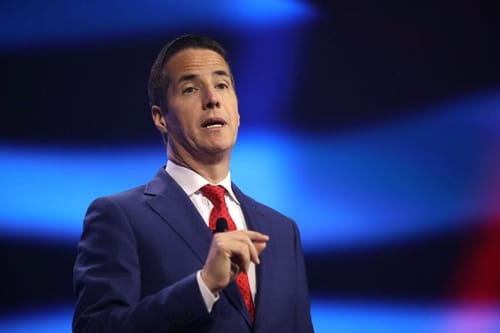

U.S. Sen. Bernie Moreno says he will try to do through legislation what the U.S. Supreme Court just refused to let President Donald Trump do by executive order: restrict birthright citizenship. The push lands in an awkward spot for Ohio Republicans, because the party’s own nominee for governor is a birthright citizen and the son of immigrants.
On June 30, hours after the court reaffirmed that nearly everyone born on U.S. soil is a citizen, Moreno, R-Ohio, announced he would reintroduce a revived version of a 1993 immigration bill written by the late Democratic Senate leader Harry Reid. Moreno said he would formally introduce the measure — which his office is calling the Immigration Stabilization Act of 2026 — when he returns from recess on Monday, July 13. As of this writing, no bill number has been assigned.
“Before far-left radicals took over the Democrat Party, their leader Harry Reid introduced a great bill to end birthright citizenship, ensure no illegals could vote, and crack down on employers who abuse illegal labor,” Moreno said in a statement. “It’s a great bill, so I say let’s vote on it and find out once and for all if Harry Reid would still have a home in the modern Democrat Party.”
Reid, who died in 2021, disavowed the 1993 legislation years later, calling it a mistake.
According to a backgrounder from Moreno’s office, the bill would cut legal immigration, cap annual refugee admissions at 50,000, expand border enforcement, and make it a federal crime for noncitizens to vote in any election. Its citizenship section states that birthright citizenship would not apply to children born in the United States to mothers who are “neither U.S. citizens nor lawful permanent residents.” That wording is significant: it would leave the children of green-card holders untouched while targeting the children of parents who are in the country temporarily or without legal status.
What the court actually decided
The legislation follows the Supreme Court’s June 30 decision in Trump v. Barbara, which struck down Trump’s executive order seeking to deny citizenship to children born in the U.S. to parents who were undocumented or on temporary visas. The court voided the order 6-3, splitting 5-4 on the underlying constitutional question. Writing for the majority, Chief Justice John Roberts held that children born in the country to parents “unlawfully or temporarily present” are citizens at birth, and described citizenship as “the right to have rights.”
Justice Brett Kavanaugh agreed the order was invalid but on narrower grounds, suggesting Congress could write new exceptions into federal law. Moreno and other Republicans have seized on that opening. Even so, such a bill would need 60 votes to advance in the Senate, and immigration analysts have described the current round of Republican proposals as messaging measures unlikely to reach the president’s desk.
The Ramaswamy question
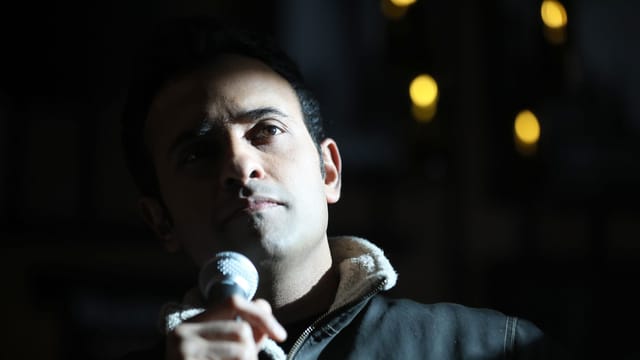
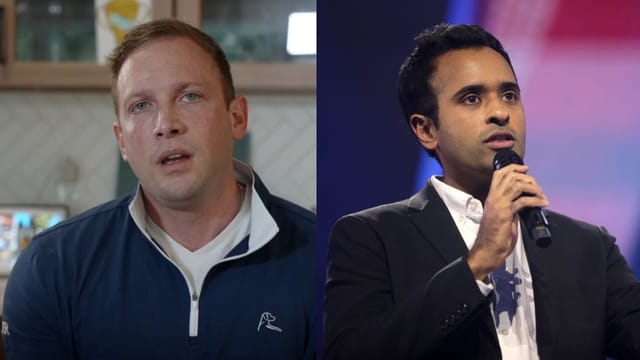
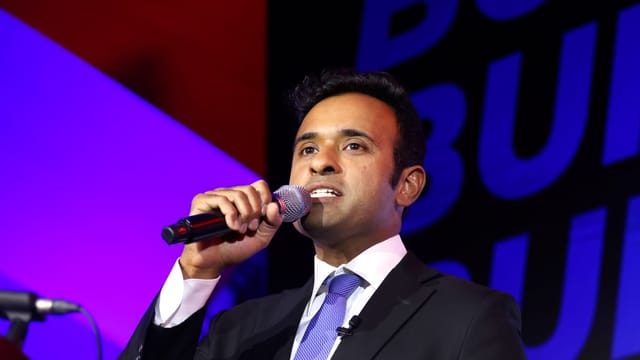
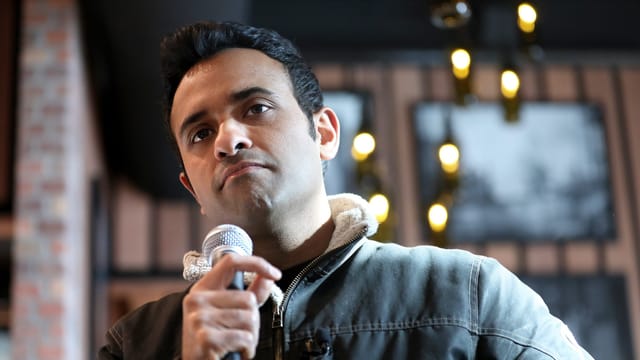
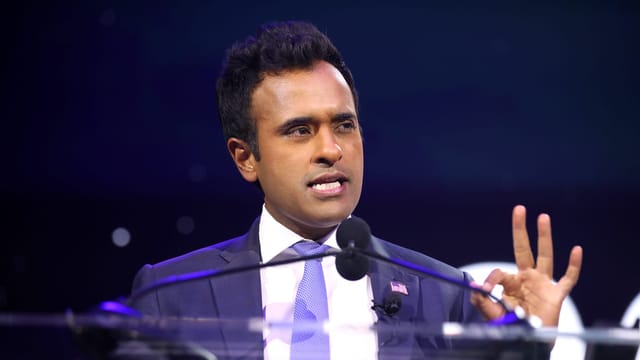
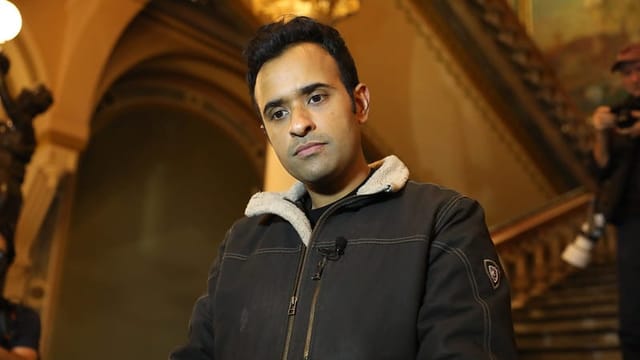
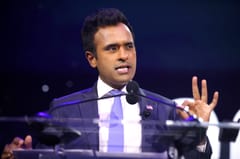
The renewed fight over who qualifies for birthright citizenship runs directly through the top of Ohio’s Republican ticket. Vivek Ramaswamy, the GOP nominee for governor, was born in Cincinnati in 1985 to parents who immigrated legally from India. His citizenship is not in dispute: he is a citizen by birth under the 14th Amendment.
His parents’ immigration status is where the details matter. During his 2024 presidential campaign, Ramaswamy described his parents as noncitizens when he was born, saying his mother later naturalized and his father never did. This year, as questions about his background resurfaced in the governor’s race, his campaign told the Toledo Blade that his parents held green cards — lawful permanent resident status — at the time of his birth. If accurate, that status is precisely the category Moreno’s bill would exempt, meaning the measure as written would not reach someone in Ramaswamy’s circumstances.
Ramaswamy has, at the same time, campaigned to narrow birthright citizenship for others. He has said the right should not apply to the children of parents who entered the country illegally, and he has supported Trump’s mass deportation agenda — positions that sit alongside a national profile built on attacking identity politics. That record has not spared him from attacks on his own citizenship from within his party. Far-right commentator Nick Fuentes has called him “an actual anchor baby,” and his former primary rival Casey Putsch repeatedly used the same slur — a term that denies the citizenship the Constitution guarantees to U.S.-born children of immigrants.
A local voice in the fight
The tension is not confined to Washington. State Rep. Gary Click, R-Vickery, whose district covers part of Seneca County, criticized the court’s ruling in comments to News 5 Cleveland, republished by the Ohio Capital Journal.
“I don’t think that makes sense in any civilized society to say people can come over here, you know, pop out a kid and go back home, but that kid is now an American citizen and can have influence over our elections, can run for office, be a president someday,” Click said.
Click’s objection — that a U.S.-born child of immigrants could one day “run for office” — describes, in broad strokes, the path of his own party’s nominee for governor.
Moreno’s own biography adds another layer. Born in Colombia, he immigrated to the United States as a child and became a citizen at 18, renouncing his Colombian citizenship. He is now among the Senate Republicans pressing hardest to restrict how citizenship is granted to the next generation of immigrants’ children.
Whether Moreno’s bill advances or stalls, its arrival sharpens a question Ohio Republicans have not been able to avoid this year: how a party campaigning to narrow birthright citizenship squares that goal with a statewide ticket led by a candidate who holds his own citizenship by birth. Ohioans will decide the governor’s race on Nov. 3.