
Child care advocates are looking at Ohio’s 2026 elections, particularly the governor’s race, as a sign of how funding and priorities will be shaped for them as they seek to cover a huge budget shortfall.
The fate of child care in Ohio is also impacted by federal decisions, including funding for Head Start programs and a Child Care and Development Block Grant.
Advocates say the recent government shutdown already caused issues in a field that’s struggling to keep up with demand and costs.
“The disruption to Ohio’s federally funded Head Start programs in 2025 – proposed budget cuts and the destabilizing government shutdown – was unprecedented,” said Julie Stone, executive director of the Ohio Head Start Association, Inc.
With Congress’ Jan. 30 deadline to yet again pass a federal spending bill, the potential for future struggles is mounting.
“Ohio’s children, families, providers, and communities are counting on strong federal investments and stable, year-round funding,” the child advocacy group Groundwork Ohio wrote in a fundraising email to supporters this month.
Groundwork’s president and CEO, Lynanne Gutierrez, said they are holding on to hope that agreement can be made on the federal level. Plus, with a strong infrastructure at the state level, she said there’s lots of data that can inform the work of the next governor, whoever that may end up being.
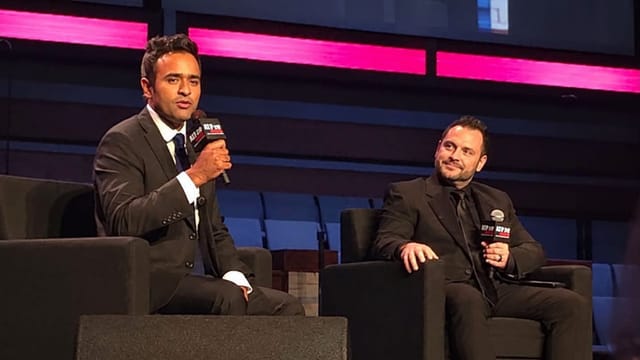
While the major-party candidates have not been officially decided yet, Gutierrez said her group has had conversations with the campaigns of both Dr. Amy Acton and Vivek Ramaswamy, gubernatorial candidates on the Democratic and Republican sides respectively.
“We see opportunities with both candidates, because this really is a bipartisan issue,” Gutierrez told the Capital Journal. “We’re committed to being a partner to whoever the next governor is.”
State funding will be a big part of the 2026 strategy for child care advocates, as they face a $600 million budget shortfall that will hit in 2028 as one-time federal funding goes away, according to Gutierrez.
“We believe that, just sort of back of the envelope math, that gap will mean there’s 30,000 kids per year who would lose access to care,” Gutierrez said.
Head Start leaders share the concern around the funding shortfall, and Stone said the strength of Head Start’s services “will be crucial to maximizing family access to care.”
As for state funding, the most recent state operating budget left eligibility for the Publicly Funded Child Care program at 145% of the federal poverty level, despite calls for the level to be raised to 160% or even 200%.
A cost-sharing model called the Child Care Cred Program that splits child care costs among the state, employers and employees who apply for the program received a $10 million appropriation. The budget provision started out as GOP-led legislation in both the Ohio House and the Ohio Senate, but policy analysts say other states who have tried the program have seen “lackluster” results.
The Child Care Choice Voucher Program also received $50 million over the next two years in the state budget. The money will come from federal Temporary Assistance for Needy Families (TANF) block grant funds.
While grant programs to support recruitment and mentorship in the child care sector were included in the budget, the amounts the state contributed to them went from as much as $3.2 million in House budget drafts, down to $2.85 million in the final budget.
There’s going to be a harder lift as the new year begins, partly because the incremental funding changes advocates have attempted to persuade the Ohio legislature to take have fallen by the wayside, leaving the large gap, a number of that could prove too eye-popping for policymakers to take on.
“I’m sure we’re not the only (sector) with a funding gap, and there’s not going to be new federal money that’s going to be able to cover this gap,” Gutierrez said.
Accessibility and affordability continue to be issues for child care providers and families alike. According to a 2025 child care survey of central Ohio conducted by the Ohio-based non-profit Action for Children, 16% of providers in that area are unsure whether they will remain open in the next three months, a 5% increase from 2024 data.
“Providers have even deeper concerns about long-term stability, with over half (58%) of all providers unsure if they will be open in the next 12 months, without additional public support,” the report stated.
The research found that nearly half of the providers who participated in the report say their monthly revenue doesn’t cover expenses. The providers are also seeing less-than-capacity enrollment, with about 70% enrollment from facility to facility.
“Under-enrollment can cause financial challenges for child care providers who often operate on thin margins even when fully enrolled,” the report stated. “Lack of full enrollment can put the program at risk of closure, and so, decrease stability for the families it serves, and exacerbate shortages of affordable, quality care.”
The cost of child care has been debated by the legislature for years, with various bills attempted, from cost-sharing models to family tax credits. But with state funding dips and federal money being cut or fading away, struggles may continue for families who need the care.
The Action for Children study found child care to be “out of reach” for many households in central Ohio, and for those who can afford it, it’s “often their largest single monthly expense.”
In Franklin County, for example, the lowest median cost of child care makes up 14.6% of the average income in the county, where the median household income is $1,367 per week.
Gutierrez said driving down cost will of course be a big part of Groundwork’s work within the legislature next year.
“Affordability is the number one for families … (we’re) looking at both child care and potential child tax credit policies to help hard-working families,” she said.
This story is republished from the Ohio Capital Journal. View the original article.