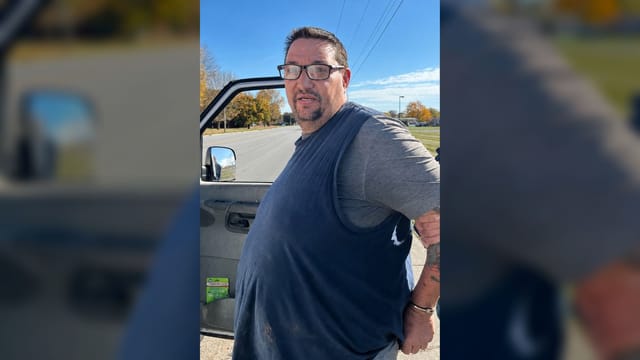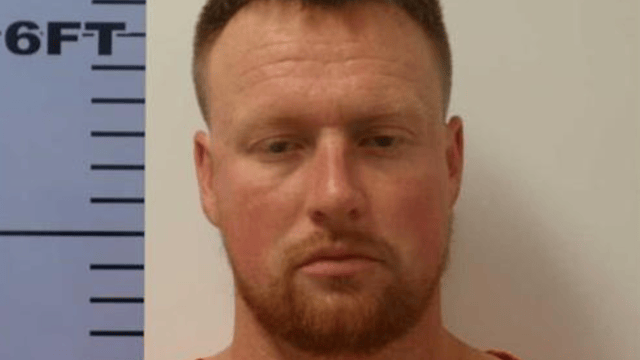
A Seneca County grand jury has cleared law enforcement officers of criminal wrongdoing in the fatal shooting of a Bloomville man, concluding that deputies were legally justified in using deadly force during a July arrest attempt.
Seneca County Prosecutor Derek W. DeVine announced the finding Thursday, Nov. 12, following a review of the July 7 shooting of Jeffrey R. Sergent, 43, near State Route 67 and Township Road 8. The incident was investigated by the Ohio Bureau of Criminal Investigation.
“The Grand Jury concluded that no criminal charges were appropriate against any of the officers involved,” DeVine wrote, adding that jurors found the use of deadly force legally justified in self-defense and defense of others.
The prosecutor’s announcement also provides new details about the confrontation, including confirmation that two sheriff’s deputies fired their weapons and that Sergent’s pickup truck made physical contact with a deputy during the encounter.
What the prosecutor’s review found
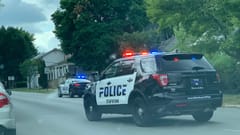
According to DeVine, Seneca County sheriff’s deputies and a Bloomville police officer were attempting to arrest Sergent on a felony domestic violence warrant when they stopped his vehicle near the intersection. Law enforcement vehicles blocked his truck from the front and rear, preventing him from driving away.
Officers spent approximately nine minutes attempting to persuade Sergent to shut off the engine and exit the truck. When he refused, a deputy broke the driver’s side window in an attempt to forcibly remove him, the prosecutor said.
As the glass broke, Sergent accelerated rapidly in reverse, nearly striking officers. He then moved forward at high speed, according to the prosecutor’s account.
“He then began moving forward rapidly and did come into contact with a Deputy Sheriff,” DeVine wrote.
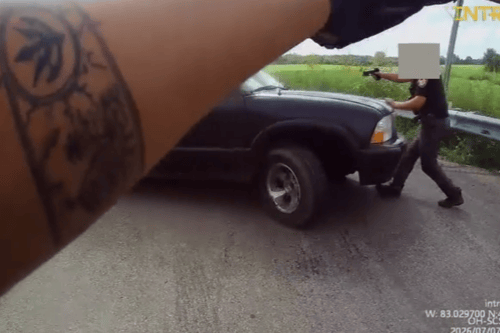
Two sheriff’s deputies fired into Sergent’s vehicle after he began accelerating toward a deputy standing in the roadway. Sergent suffered gunshot wounds to his head and arm and died from his injuries.
The prosecutor’s account adds a significant detail to the initial description of the shooting released by Sheriff Fredrick W. Stevens on July 7. Stevens previously reported that Sergent’s truck struck the front push bar of a deputy’s cruiser with enough force to bend it, but said officers managed to move out of the way.
DeVine’s statement specifically describes contact with a deputy. It does not explain whether that contact occurred separately from the collision with the cruiser or whether the deputy sustained injuries from it. The Sheriff’s Office previously reported that one deputy received treatment for a hand injury caused by broken glass.
Body camera footage and state investigation
The grand jury reviewed the incident following BCI’s investigation. DeVine said jurors also had the opportunity to examine body camera recordings, dash camera footage and audio captured by law enforcement personnel.
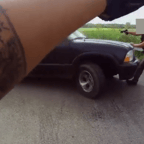
The finding comes four months after Stevens released selected body camera footage and photographs of the encounter while defending his deputies’ actions.
In that July statement, Stevens said deputies did not draw their firearms while negotiating with Sergent and only did so after the truck began moving toward officers. He also said Sergent had displayed knives during the standoff but remained inside his vehicle.
The sheriff maintained that deputies fired because they faced an immediate threat to their lives. His office had placed the deputies involved in the shooting on administrative leave pending the state investigation.
The Seneca County Coroner’s Office previously confirmed that an examination conducted July 8 at the Lucas County Coroner’s Office identified gunshot wounds to Sergent’s head and arm. Projectiles recovered during that examination were turned over to BCI as evidence.
The identities of the deputies who fired have not been publicly disclosed in the earlier Sheriff’s Office releases. Stevens previously maintained that the officers qualified as crime victims under Ohio’s Marsy’s Law and withheld their identifying information.
DeVine’s November announcement does not identify the deputies or include the underlying BCI investigative report. It also does not specify how many rounds were fired or provide a detailed account of the physical contact between Sergent’s truck and the deputy.
The grand jury’s finding resolves the criminal charging review of the officers’ conduct, four months after the deadly roadside confrontation. The complete BCI investigative findings and recordings were not included with the prosecutor’s announcement.