

Fruth Pharmacy, a small chain that once had more than 20 stores in southeastern Ohio and nearby towns in West Virginia and Kentucky, has announced that it is closing and selling its prescriptions to Walgreens next month.
Given Walgreens’ own financial woes, the news could add to the growing problem with pharmacy deserts in rural areas of both states.
Lynne Fruth, president of the 73-year-old chain, has been a vocal critic of pharmacy middlemen owned by giant health conglomerates. Each is among the 15 largest corporations in the United States, and together, their middlemen control nearly 80% of prescription drug transactions.
The middlemen are called pharmacy benefit managers or PBMs. Their owners — CVS Health, UnitedHealth and Cigna-Express Scripts — have pharmacy operations of their own, and their middlemen determine how much to reimburse their competitors and affiliated pharmacies for the drugs they dispense.
That’s an obvious conflict, Fruth has maintained.
“By reimbursing pharmacies less money than a medication costs, PBMs have caused the closure of thousands of pharmacies across America,” Fruth said in a written statement that was reported by WCHS in Charleston. “The continued closings of pharmacies must be a wake up call for lawmakers to hold PBMs accountable before all pharmacies disappear.”
Andy Becker, the chain’s CEO, said that it’s been under stress from PBMs for years, but a cyberattack against a company owned by one of the conglomerates was the proximate cause of the demise of Fruth Pharmacy.
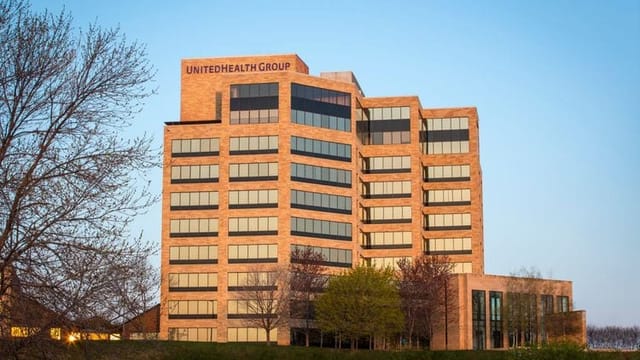
Change Healthcare, which is owned by UnitedHeath Group, handles payment and prescription processing for thousands of pharmacies. It was the victim of a ransomware attack in early 2024.
It meant that Fruth couldn’t fill any prescriptions for six days. Then it couldn’t fill electronic prescriptions for another week.
“That’s 90% of our new prescriptions that were coming in,” Becker said in an interview. “Then for another eight to 10 days, our controlled substance prescriptions weren’t coming in. We couldn’t win. If I can’t fill your prescription, you’re going to Walmart or wherever. And once somebody moves somewhere else, they’re not coming back until they get mad at Walmart or Walgreens or wherever they move. In that three or four-week period, we lost 15% of our customers.”
The Fruth closing comes after 223 other Ohio pharmacies shut their doors last year, according to the Ohio Board of Pharmacy. The number still in operation dropped below 2,000 for the first time in memory.
In addition to small chains and independent pharmacies going out of business, Rite Aid declared two bankruptcies and closed all its stores — including hundreds in Ohio and Michigan.
Pharmacy closures can be particularly hard on the poor and elderly in small communities such as Wellston, Ohio, where a Fruth store closed earlier this year. If customers’ prescriptions are transferred to the Walgreens in Jackson, that means they have to find a way to travel 10 miles each way. That”s not an easy task if you can’t drive or if you lack reliable transportation.
For many such customers, a pharmacist can be the only medical professional to whom they have ready access. A pharmacist can help them manage chronic conditions like diabetes and hypertension.
Fruth is transferring prescriptions to Walgreens, which has faced troubles of its own. In March, the pharmacy chain announced that it was selling itself to Sycamore Partners, a private equity firm. Such businesses are known for aggressively cutting what they see as underperforming assets.
Unlike CVS, Walgreens doesn’t own a PBM. Such middlemen decide which drugs are covered by insurance, and they negotiate huge, non-transparent rebates in exchange for putting drugmakers’ products on their formularies. That’s a mechanism that pushes up list prices of drugs, according to the University of Southern California’s Schaeffer Center.
The conglomerates that own the big-three PBMs also own top-10 insurance companies.
In addition, CVS owns the largest retail chain. And it, UnitedHealth and Cigna-Express Scripts own mail-order and specialty pharmacies as well. Their PBMs decide how much to reimburse their own pharmacies and those of their competitors — raising suspicions that they favor their affiliated stores.
In January, the Federal Trade Commission issued a report accusing the big PBMs of wild price hikes and possibly steering patients away from competing pharmacies.
But the term expired of the FTC chair who led the effort. Then President Donald Trump tried to remove two Democratic appointees who also supported scrutinizing PBMs.
This story is republished from the Ohio Capital Journal. View the original article.