
Ohio Democratic lawmakers want menopause hormone therapy treatments covered by health insurance and Medicaid.
Ohio state Reps. Ashley Bryant Bailey, D-Cincinnati, and Anita Somani, D-Dublin, recently introduced Ohio House Bill 767.
“Menopause is inevitable and fighting your insurance company shouldn’t be,” Bryant Bailey said during a press conference introducing the bill.
“This legislation is about making sure that women across Ohio can access the care that their doctors recommend at a cost that they can actually afford and without unnecessary barriers standing in the way,” she said.
The U.S. Food and Drug Administration announced in November it would remove black box warnings from all hormone therapy products containing estrogen.
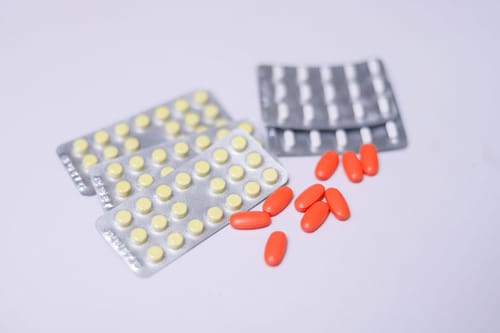
Hormone therapy treats the symptoms of menopause with estrogen and treatment typically comes in a pill, patch, injection, or gel.
“We’ve been talking about this and advocating for it probably since 2010 to get the black box labeling taken off and to then make it so that insurance coverage would be available to women who needed menopausal treatments,” said Somani, who has been an OB-GYN for more than 30 years.
The FDA implemented a black box warning for menopausal hormone therapy in 2003 after Women’s Health Initiative trials showed hormone therapy treatment could increase the risk of cardiovascular problems, breast cancer, endometrial cancer, and possibly dementia.
This led to a significant decrease in postmenopausal women using hormone therapy — going from about 27% in 1999 to about 5% in March 2020, according to a 2024 study published in the Journal of the American Medical Association.
“We saw an increase in women’s mortality and morbidity,” said Somani. “We saw an increase in heart disease. We saw an increase in mortality at younger ages. We also saw an increase in osteoporosis and bone loss, which oftentimes results in hip fractures.”
However, further analyses of the Women’s Health Initiative data showed some flaws. The women in the trials included women who were older than those who typically start using hormone therapy and had underlying risk factors.
Hormone therapy has also changed since then. Estrogen is available in lower doses and can be administered through the skin.
Ohio H.B. 767 would make sure Ohio’s health coverage aligns with federal guidance and treatment standards.
“It ensures that women can work with their doctors to make informed, individualized decisions without having to fight through systems that do not reflect modern medicine,” Bryant Bailey said.
Somani’s hormone therapy treatment is not covered by her health insurance.
“I can afford to pay for it, but many women can’t,” she said. “I don’t think that’s how we should provide health care based on who can afford it and who can’t.”
Four in five women experience menopause symptoms that can affect sleep, focus, mental health, and overall quality of life. Hormone therapy treatment can help reduce hot flashes, reduce bone density loss, and improve a woman’s quality of life, Somani said.
“Too many women in Ohio are navigating those symptoms while being told that they do not have the treatments that they need covered or are simply out of reach financially,” Bryant Bailey said.
The average cost of hormone therapy treatments can range anywhere from $500 to $1,000 and many menopause treatments are considered elective or cosmetic, she said.
Menopause related symptoms cost the U.S. economy $1.8 billion annually in lost productivity, Bryant Bailey said.
“When we support women’s health, we support Ohio’s economy,” she said. “When we remove unnecessary barriers to care, we create opportunities for individuals, for families and for our state.”
More than 80% of women surveyed between the ages of 45 and 60 said they did not go to the doctor for menopausal symptoms, according to a study published last fall by the Mayo Clinic.
“We should not have to suffer in silence,” Somani said.
Follow Ohio Capital Journal Reporter Megan Henry on X or on Bluesky.
This story is republished from the Ohio Capital Journal. View the original article.