

Sixty-nine percent of Ohioans are struggling to afford at least one of four basic needs — housing, food, healthcare, or childcare — according to a new report from the Georgetown Center on Poverty and Inequality.
The Family Economic Well-Being Index, published on Sept. 24, shows that 31% of Ohio residents are burdened or severely burdened by food costs, 25% struggle to afford housing, 40% are burdened or severely burdened by healthcare costs, and 23% are struggling with childcare costs. Nationwide, 70% of Americans are finding it difficult to pay for at least one basic need, the new report saya.
“For a long time, we have tended to think of affordability as a problem for people with the lowest incomes, but increasingly we are hearing stories from people at all income levels who are feeling squeezed by the cost of everyday essentials,” said Lelaine Bigelow, the executive director of the Georgetown Center on Poverty and Inequality, which works to provide economic research to policymakers.
“At GCPI, we wanted to put data behind those stories and see just how widespread these pressures have become,” Bigelow told the American Independent. “And what we found is that the affordability problem is much bigger than our policy debates often acknowledge. Seven in 10 people face at least one affordability burden, and these pressures don’t just stop at the poverty line; they reach well into the middle class.”
To compile the index, researchers analyzed data from the Census Bureau’s American Community Survey and from the Department of Agriculture and other agencies to piece together a statistical picture of the financial struggles of people in the United States. That picture is, Bigelow and her fellow researcher Danilo Trisi said, one of mounting expenses, especially for families with young children. Sixty-nine percent of middle-income families with children under the age of 6 struggle to afford childcare, and 68% of upper-middle income families do the same. Even for those in the top income quintile — those making more than $156,719 annually — have trouble paying for childcare, with half of that population struggling to afford it.
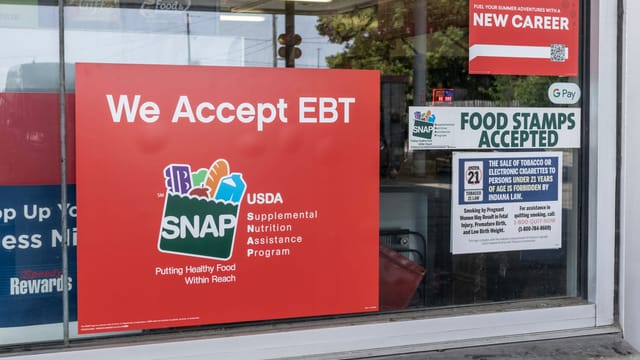
Bigelow said she hopes the data helps lawmakers understand the numbers behind the stories of hardship they are hearing. A rising number of Americans report facing financial hardship as the cost of healthcare increases since congressional Republicans failed to extend federal tax credits that helped people purchase insurance through Affordable Care Act marketplaces. The budget law that President Donald Trump signed into law in 2025 contained cuts to funding for Medicaid and the Supplemental Nutritional Assistance Program, also putting pressure on affordability as grocery prices rise amid tariffs on imported goods and energy prices increase due to the war in Iran.
“I think what you are seeing right now in policy debates is a backlash against supporting families,” Bigelow said. “We’re seeing the administration cut childcare. We’re seeing premium tax credits not get funded. We’re seeing SNAP benefits cut. And I think when policymakers think that, oh, people are making enough money and they should be able to do this – you know, people just need to work harder — this data is to show people are working very hard. Even at upper quintiles of income, people are having burdens.
“There needs to be a more systemic look at policy solutions rather than blaming individuals for systemic issues,” she said.