National study gives Ohio positive marks on childcare, urges further work nationwide
Ohio faces a $600 million childcare budget cliff by 2028, and the National Women's Law Center warns federal Medicaid and SNAP cuts could deepen the gap.

Type at least 2 characters to search.
Page 2 of 5
Ohio faces a $600 million childcare budget cliff by 2028, and the National Women's Law Center warns federal Medicaid and SNAP cuts could deepen the gap.
More than 4 million Americans lost SNAP benefits since February 2025, and 23 state attorneys general are now urging the Senate to reverse cuts in the pending farm bill.

Acton's plan pairs a refundable earned income credit with a child tax credit DeWine proposed but Republicans stripped from the state budget.

Home health aides will face GPS check-ins and Ohio’s food aid cards are getting security chips under a bill now headed to Gov. DeWine’s desk.

The $250,000 donation came to light only by accident, 11 days after Jordan voted for a bill that would dramatically expand ICE detention.

A Roosevelt Institute study shows long-term care costs force even wealthy families to spend down assets to Medicaid limits, while Trump's healthcare law threatens to cut another $150 billion from nursing home payments.

The Supreme Court's weakening of voting rights protections has prompted Democratic lawmakers and activists to mobilize against Republican redistricting targeting Black congressional districts.

Tennessee and four other red states now require social workers to report immigrants' status, threatening jail time and funding cuts for non-compliance.

The cuts follow 80,000 Ohioans losing SNAP benefits since July, with older adults ages 55-64 hit hardest after losing work requirement exemptions.

Ohio's unemployment rate fell to 4.2% in February despite job losses, but not for good reasons—thousands of Ohioans left the labor force entirely, masking economic weakness, according to Policy Matters Ohio.

Democratic gubernatorial candidate Amy Acton released her ActOn Costs Agenda on April 6, pitching a working families tax cut, lower healthcare costs, and energy bill relief.

HHS Secretary Robert F. Kennedy Jr. told a House committee Thursday he opposes cuts to WIC and SNAP but says the nation's $39 trillion debt leaves little choice, as lawmakers pressed him on vaccines, measles deaths, and Black maternal health funding.
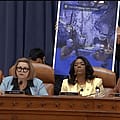
A new Institute for Policy Studies analysis finds the average American taxpayer sent $1,870 to defense contractors last year — more than they paid for food assistance, housing, disaster relief, and national parks combined.

A new Brookings Institution analysis finds federal food stamp work requirements don't increase employment — and at least 2.5 million people have already lost SNAP benefits since the One Big Beautiful Bill Act was signed into law last summer.

High food costs and fewer benefits are forcing millions of Americans into desperate situations.
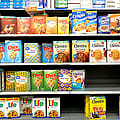
Ohio served more than 2.6 million summer lunches in 2024 — a 3-year participation high — but researchers warn federal SNAP cuts in the One Big Beautiful Bill Act will increase child food insecurity and shrink program eligibility just as demand grows.

A new study found at least 2.5 million people lost SNAP benefits in the 6 months after the One Big Beautiful Bill became law — without any improvement in economic conditions to explain the drop.

Organizers say at least 8 million people joined the third No Kings protest on March 28, with demonstrations in every congressional district and on six continents.

The Ohio House passed a $12.5 million SNAP stopgap that splits funds equally across all 88 counties — leaving Cuyahoga County facing a $7.5 million shortfall while smaller counties are made whole — after Democrats' needs-based amendment was voted down.

New work requirements under Trump's One Big Beautiful Bill are projected to cause at least 900 premature deaths in Ohio by 2040 — rising to 23,000 if Ohio abandons SNAP entirely under a nearly $400 million cost burden the law imposes on states.
