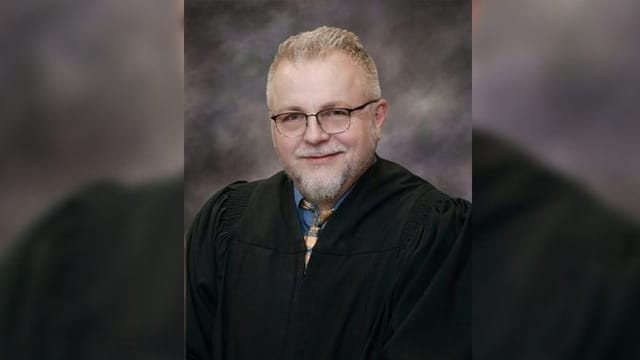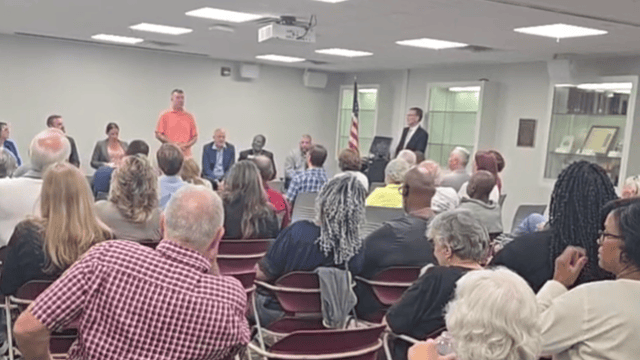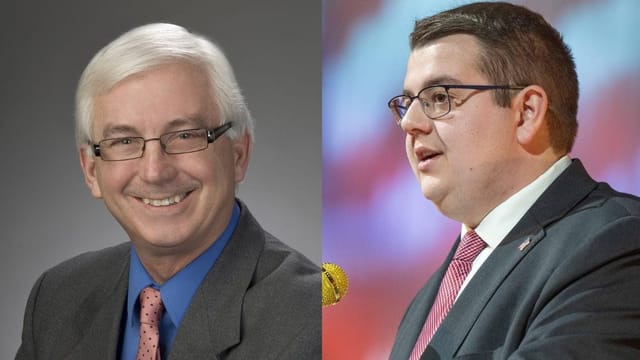
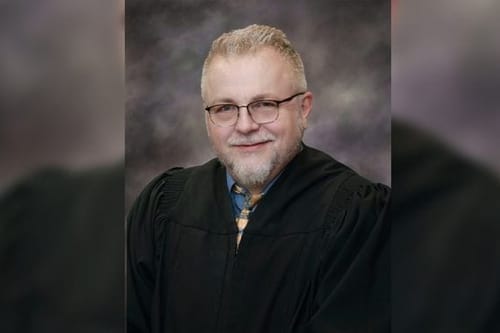
FREMONT, Ohio — Suspended Sandusky County Common Pleas Court Judge Jon Ickes will remain on the November ballot after the Ohio Supreme Court ruled Monday that state law gives it no authority to remove him at this stage of the election.
The ruling does not find that Ickes is qualified to return to the bench.
Justice Jennifer Brunner, concurring in the decision, said Ohio law leaves the court unable to provide relief to voters who “will be presented with a ballot that contains the name of a judicial candidate who is ineligible to hold the office for which he seeks election.”
As TiffinOhio.net reported Aug. 19, the Ohio Supreme Court suspended Ickes from practicing law for two years and immediately suspended him from judicial office without pay after finding he committed multiple judicial-conduct violations.
The court said Ickes had “pervasively used vulgar language with colleagues, fostered an inappropriate and unprofessional workplace environment, and adjudicated criminal cases despite the appearance of impropriety.”
The suspension came after a disciplinary case that included Ickes presiding over criminal cases involving his stepson, a law-enforcement officer, and conduct inside the courthouse that ultimately prompted the Supreme Court to impose a substantially harsher punishment than its Board of Professional Conduct had recommended.
Ickes was already seeking another six-year term.
Independent judicial candidate Kimberly Ontko challenged his candidacy the next day, asking the Sandusky County Board of Elections to remove him from the general-election ballot.
The board rejected the protest as untimely. Ontko then took the fight directly to the Ohio Supreme Court, a case TiffinOhio.net reported on Aug. 27, seeking orders preventing the board from placing Ickes on the ballot or requiring it to grant her protest.
In a decision issued Sept. 14, the Supreme Court denied both requests.
Ickes filed for reelection in January and was certified as the Republican candidate before winning the May primary unopposed. State law required a formal protest against that candidacy to be filed before the primary — specifically by 4 p.m. Feb. 20.
Ontko could not have challenged Ickes on the basis of his suspension by that deadline because the Supreme Court did not suspend him until nearly six months later.
But the statutory deadline still controls.
“The General Assembly remains free to rewrite the statute to allow protests” that are blocked under existing precedent, the court wrote.
The justices also rejected an argument that the Sandusky County Board of Elections could remove Ickes on its own after his suspension.
Ohio law gives a board of elections authority to independently invalidate a candidacy that violates legal requirements, but that authority is subject to a statutory deadline. The Supreme Court concluded that, in Ickes’ case, the board’s authority to invalidate his candidacy under that provision expired March 6 — 60 days before the May primary.
That means Ickes’ August suspension occurred months after both avenues identified by the court for challenging his candidacy had already closed.
“The board of elections could not have granted her protest,” the court concluded, and it could not have independently invalidated Ickes’ candidacy after the statutory deadline.
Justices R. Patrick DeWine, Joseph T. Deters, Daniel R. Hawkins and Megan E. Shanahan joined the unsigned opinion. Chief Justice Sharon Kennedy and Justice Patrick Fischer concurred in the judgment only.
Brunner separately highlighted what the ruling means for Sandusky County voters: Ohio law currently provides no way for the Supreme Court to prevent an ineligible judicial candidate from appearing on the ballot under circumstances like these.
Ickes’ two-year law-license suspension is scheduled to extend well beyond the Jan. 1, 2027 start of the judicial term he is seeking.
The November election therefore moves forward with Ontko and Ickes on the ballot even after the state’s highest court suspended Ickes from judicial office and stripped him of his ability to practice law for two years.