
Consumer prices rose 4.2% over the 12 months ending in May, the Bureau of Labor Statistics reported Wednesday — the fastest annual inflation rate since April 2023 and the third consecutive month of accelerating inflation, driven overwhelmingly by energy costs that have soared since the United States went to war with Iran.
The energy index accounted for more than 60% of May’s monthly price increase, according to the bureau, and has climbed 23.5% over the past year. Gasoline alone rose 7% in May and is up 40.5% from a year ago, according to the BLS data. Grocery and restaurant prices together are up 3.1% over the year.
Outside of energy, price pressures were more contained. Core inflation, which strips out volatile food and energy costs, rose just 0.2% for the month — below forecasts — and 2.9% over the year, CNBC reported.
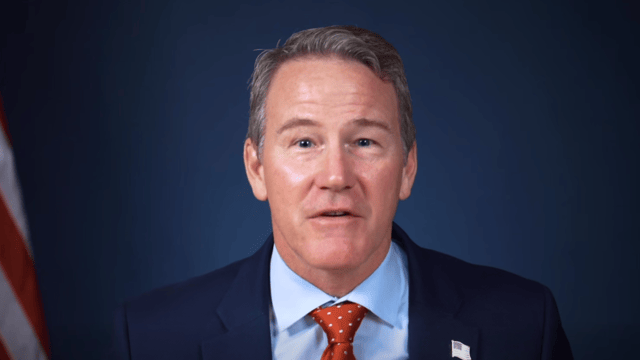
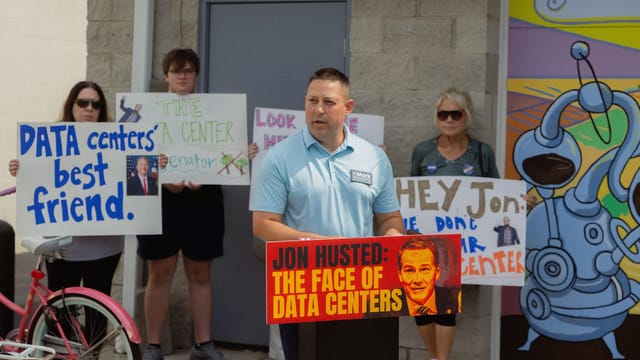
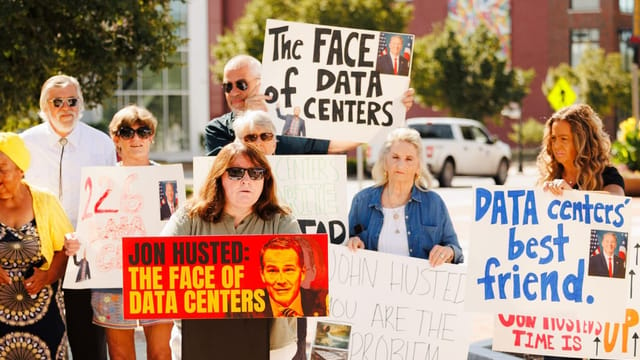
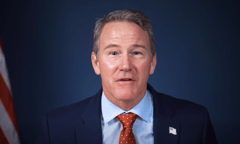
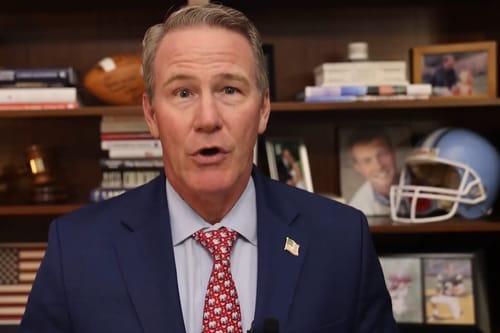
The report carries particular political weight in Ohio, where Sen. Jon Husted — a Republican appointed to the seat last year and seeking his first full term in November — has repeatedly defended the war driving the price surge and voted against congressional efforts to end it.
A war-driven price shock
The conflict began Feb. 28 with joint U.S. and Israeli strikes on Iran, according to NPR. Iran responded by closing the Strait of Hormuz, the shipping lane that carries roughly a fifth of the world’s oil, PolitiFact reported, sending fuel prices sharply higher worldwide.
The national average for regular gasoline stood at $4.15 per gallon Wednesday, according to AAA — down nearly 20 cents from a week ago as prices ease from their late-spring peak, but still more than a dollar above the $3.12 average of a year ago. Diesel, the fuel that moves freight and farm equipment, averaged $5.30, up from $3.51 a year earlier.
Husted’s defense of the war
Husted has been among the war’s steadier defenders in the Senate. In March, he told reporters the U.S. military operation in Iran was going “much better” than expected, according to video published by the Dayton Daily News. In April, he said of the war: “This is good news for the global economy.”
On May 19, Husted voted against a war powers resolution directing the president to remove U.S. forces from hostilities against Iran without congressional authorization. The measure advanced anyway, 50-47 — the first time such an effort cleared a procedural hurdle after seven failed attempts — with four Republicans crossing over: Sens. Rand Paul of Kentucky, Susan Collins of Maine, Bill Cassidy of Louisiana and Lisa Murkowski of Alaska. Husted was not among them. That same day, asked on an Ohio podcast what he was doing about gas prices, Husted responded: “What do you want me to do?”
On June 3, the House passed its own war powers resolution, 215-208, with four Republicans — including Rep. Warren Davidson of Ohio — joining Democrats, according to NPR. It marked the clearest bipartisan rebuke yet of the war, though the White House has argued the War Powers Act’s 60-day clock no longer applies.
‘Earn more’
The inflation report also revives scrutiny of Husted’s past comments on affordability. In a December Fox Business interview, after voting against extending Affordable Care Act subsidies, Husted said: “Look, there are three ways to make things more affordable: Earn more, keep more of what you earn, and drive down prices, and that’s exactly what we’re doing in Congress,” MeidasNews reported.
In a January radio interview promoting his bill to let states impose stricter work requirements on public assistance recipients, Husted said, “Our work ethic is broken,” American Journal News reported. “We don’t have the work ethic in this country that we once had, and we literally have the federal government telling people we will give you more money if you stay home than if you go to work. That’s crazy,” he said.
Husted was appointed by Gov. Mike DeWine in 2025 to fill the seat vacated by Vice President JD Vance. He faces former Democratic Sen. Sherrod Brown in the Nov. 3 general election, a race expected to help decide control of the U.S. Senate.
What comes next
Economists warn the squeeze is not over. “Americans are getting squeezed financially by inflation that’s back at a 3-year high,” Heather Long, chief economist at Navy Federal Credit Union, told CNBC, adding that ending the war would help moderate inflation but that the worst of the food price increases is likely still ahead.
The next consumer price report, covering June, is scheduled for release July 14.