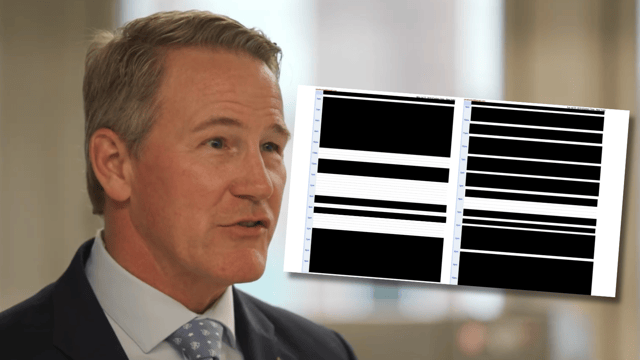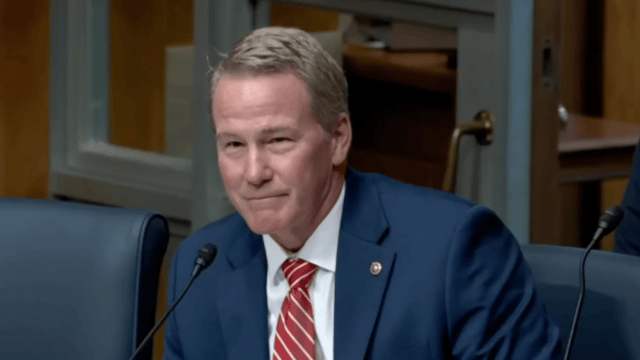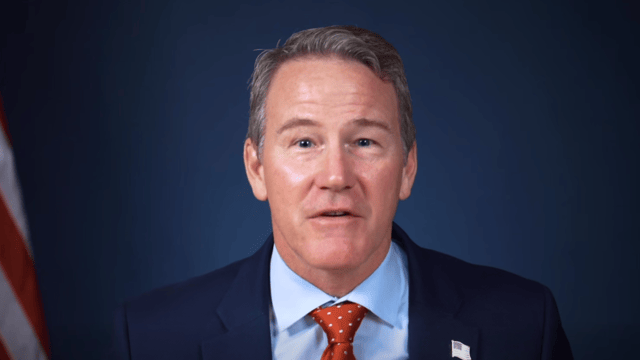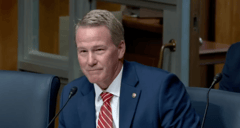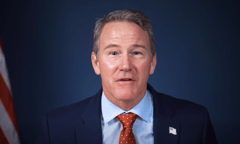
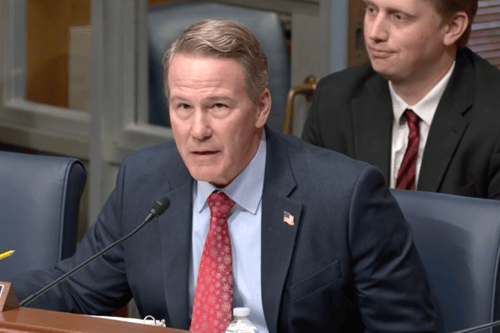

U.S. Sen. Jon Husted reported nearly $60,000 from the sale of stock in a Central Ohio bank where he had served on the board — a transaction that occurred weeks after Gov. Mike DeWine appointed him to the Senate, according to his most recent financial disclosure. NBC4 (WCMH) first reported the figure Friday.
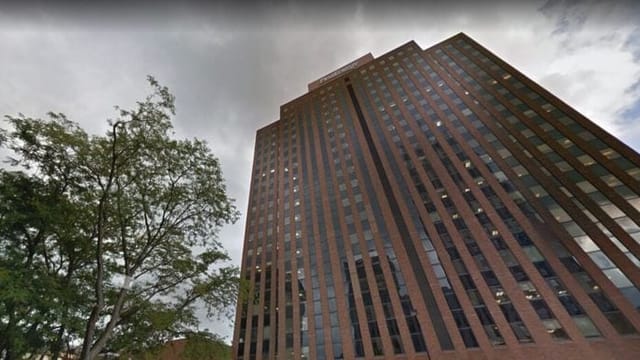
The income came from a forced payout of stock tied to Heartland Bank’s merger with German American Bancorp, which closed in February 2025, NBC4 reported. Husted’s Senate financial disclosure separately reports $27,575 in board compensation from Heartland Bank. He served as a director of the bank from 2022 until he resigned in January 2025 to join the Senate.
Husted’s office told NBC4 the matter was “nothing more than ordinary business” and a standard disclosure filing. According to the station, the office said the stock payout was required under board members’ contracts as part of the merger agreement — an obligation that applied to all directors — and that the compensation reflected only the period when Husted was an active board member. The office disputed characterizations of the payout as a special favor.
Husted and his wife continue to hold German American Bancorp stock valued at up to $65,000, the disclosure indicates. The holding represents the same investment Husted previously reported in Heartland Bank, which converted to German American shares in the merger. The filing also lists a Heartland Bank deposit account valued between $100,001 and $250,000.
A board seat held as lieutenant governor
Husted joined Heartland Bank’s board of directors in 2022 while serving as Ohio’s lieutenant governor, after he and his wife, Tina, purchased shares in the company. The bank did not publicly announce the appointment for roughly two months, and it became known only after news organizations reported it.
The arrangement drew conflict-of-interest scrutiny at the time because Husted was the state’s second-highest elected official. A spokesperson said in 2022 that Husted had no oversight of the Ohio Department of Commerce or its banking regulators and would recuse himself if any conflict arose.
When Heartland later merged with German American Bancorp, the transaction was overseen by the Ohio Department of Commerce — an agency whose director was appointed by the DeWine administration in which Husted served. Under the merger terms, Heartland shareholders received German American stock, and the company’s share price rose sharply after the deal was announced. Earlier reporting traced Husted’s investments in companies tied to his official duties.
A live issue in the Senate race
The disclosure surfaces as congressional stock trading has become a flashpoint in Ohio’s U.S. Senate contest. TiffinOhio.net reported in February that Husted had not taken a public position on legislation to bar members of Congress from trading individual stocks, and that he later opposed such a ban, arguing it would restrict lawmakers’ ability to manage their personal finances without government interference.
It is not the only part of Husted’s record drawing scrutiny in the campaign. TiffinOhio.net has also documented previously unreported 2019 meetings tied to the House Bill 6 scandal, the utility-bailout law at the center of what a federal prosecutor called the largest bribery scheme in Ohio history.
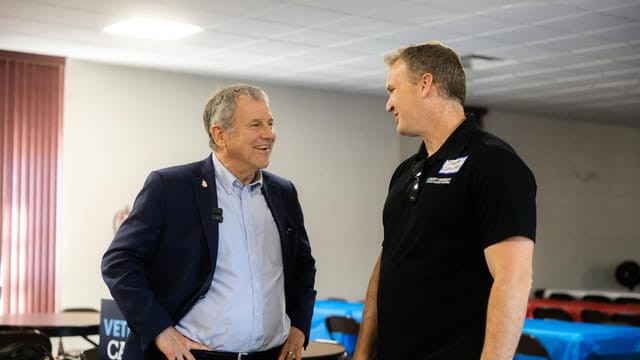
Husted’s Democratic opponent, former Sen. Sherrod Brown, has made banning congressional stock trading part of his campaign. Brown won the Democratic nomination in May and faces Husted in the Nov. 3 special election for the remaining two years of the term vacated when JD Vance became vice president. Recent polling has shown the two running neck-and-neck.
For Ohio voters, the disclosure offers a concrete look at the financial entanglements of a sitting senator who built his record on state economic-development policy — and a test of how transparency and conflict-of-interest questions will figure into one of the most closely watched Senate races in the country.