Ramaswamy vows Medicaid fraud crackdown, but his running mate's budget killed Ohio oversight panel
Ramaswamy's running mate helped eliminate the state's Medicaid oversight panel last year, undermining the candidate's fraud-fighting pledge.

Type at least 2 characters to search.
Page 7 of 10
Ramaswamy's running mate helped eliminate the state's Medicaid oversight panel last year, undermining the candidate's fraud-fighting pledge.
Doctors in states with abortion bans are avoiding the most effective two-drug miscarriage treatment, citing legal fears, forcing patients toward less reliable options.

The decision preserves access while Louisiana's lawsuit continues, but anti-abortion groups are pressuring Trump's new FDA commissioner to block the drug.

More than 60 menopause-related bills have been introduced nationwide this year, with 26 states enacting laws since 2019 covering insurance, workplace accommodations and provider education.

Cruise passengers are quarantined at the University of Nebraska Medical Center for 42 days after hantavirus infections were confirmed aboard the MV Hondius.

Makary faced months of pressure from anti-abortion groups and GOP lawmakers over his stance on medication abortion access before his departure.

Rep. Pizzulli chairs a committee studying ibogaine for PTSD and addiction, with $50 million in federal backing, but some lawmakers question whether Ohio should fund it.

The U.S. Supreme Court on Monday extended a highly anticipated stay blocking an appellate court’s pause on telehealth abortion access…

As the U.S. Supreme Court temporarily holds off a ban on telehealth abortion pill care, Ohio reproductive rights advocates and…

WASHINGTON — Voters, including those within the Make America Healthy Again movement, say the rising cost of healthcare is a…

Experts warn federal Medicaid cuts and reduced data transparency could deepen racial health disparities in Ohio, where outcomes already lag for Black and Hispanic residents.

States including Massachusetts and Rhode Island are weighing cuts to Medicaid coverage of GLP-1 weight-loss drugs as rising costs strain budgets, limiting access for patients.
Vibrio bacteria — the pathogen behind rare but deadly "flesh-eating" infections — is expanding northward along U.S. coastlines as ocean temperatures rise, and researchers are racing to build an early warning system before cases surge.

A federal mandate during the Biden administration requires states to replace lead service lines by 2037.

The state appealed to a higher court based on a new law passed by the legislature in March, and the court put the trial on hold indefinitely. It will now be months before the lower court can proceed.

Ohio Attorney General Dave Yost is among 45 state attorneys general urging the federal government to strengthen oversight of pharmacy benefit managers — and to ensure a proposed federal transparency rule doesn't override state laws already on the books.

A Trump administration rule that strips federal Medicaid funding from abortion providers like Planned Parenthood is expected to lapse on July 4 after congressional leaders prioritize immigration spending. The provision has already forced dozens of health centers to close and reduced access to contraception and cancer screenings across 18 states.

HHS Secretary Robert F. Kennedy Jr. told a House committee Thursday he opposes cuts to WIC and SNAP but says the nation's $39 trillion debt leaves little choice, as lawmakers pressed him on vaccines, measles deaths, and Black maternal health funding.
Nearly 1 in 4 people who travel out of state for abortion care go to Illinois, which has invested millions in access since the Supreme Court's 2022 Dobbs decision. Advocates say other states should follow Illinois' model.
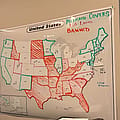
Mary Rutan Hospital in Bellefontaine was among 10 Ohio hospitals flagged for potential closure in a national report on Medicaid cuts. The hospital says it returned to profitability in 2024 but warns further reductions could affect care.