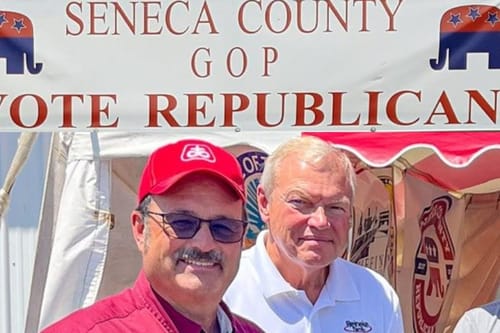
TIFFIN, Ohio — Republican voters in Seneca County will face a primary ballot in May unlike anything the local party has seen in recent memory, with contested races in 30 of the county’s 51 GOP central committee precincts and competitive primaries for county commissioner and state representative.
The Seneca County Board of Elections certified petitions for the May 5 primary this week, finalizing a ballot that reflects widespread internal competition within the county Republican Party. While some petition issues were flagged during the review process, the board noted that most were minor and resolved under Ohio’s “substantial compliance” standard.
Central committee members serve as the governing body of the county party. They represent individual precincts, vote on party leadership, influence endorsements, and — critically — appoint replacements when vacancies arise in elected offices between elections. In most cycles, a large share of these seats go uncontested.
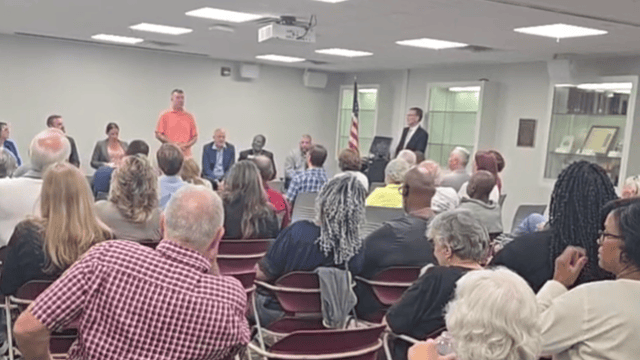
This year is different. The contested races span Tiffin, Fostoria, and multiple townships across the county.
Several candidates running for central committee have emphasized transparency, accountability, and grassroots participation in their campaign materials — themes that suggest at least some of the challenges are driven by dissatisfaction with party leadership and direction rather than routine local competition.
Commissioner primary among top races
The internal competition extends beyond party infrastructure. Republican voters will choose between incumbent Seneca County Commissioner Bill Frankart and challenger Jim Distel, a Clinton Township trustee, in one of the most closely watched county-level primaries in recent years.
Other Republican incumbents, including County Auditor Julie Adkins and Probate Judge Jay A. Meyer, were certified without opposition — underscoring that the current wave of intraparty challenges is concentrated rather than across the board.
88th District House primary already getting nasty
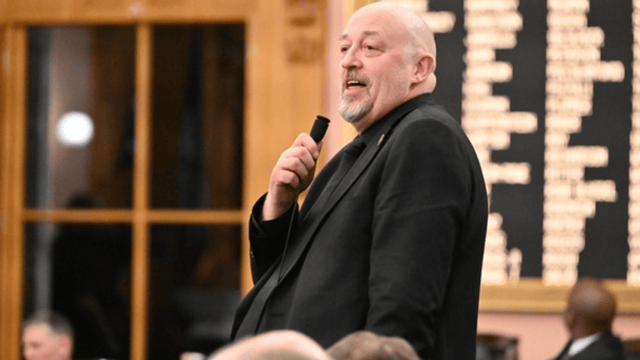
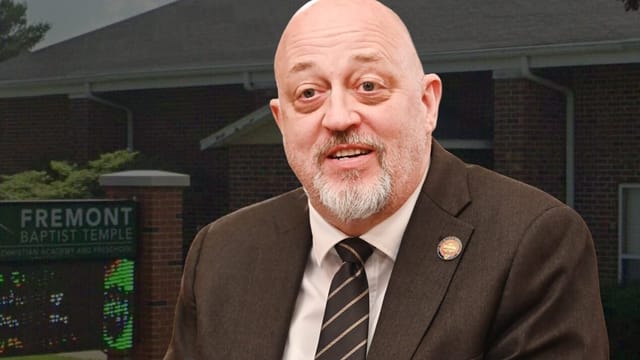
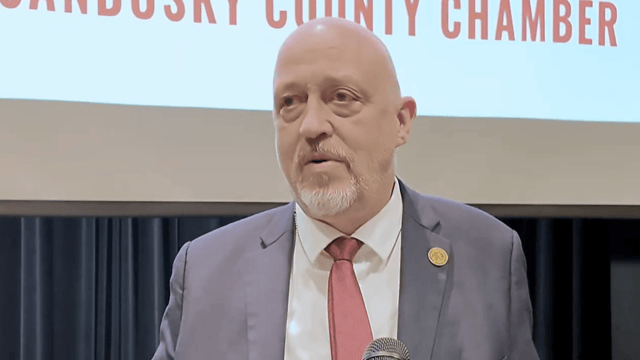
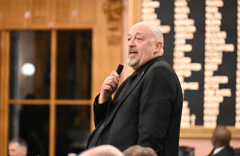
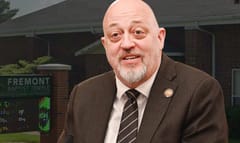
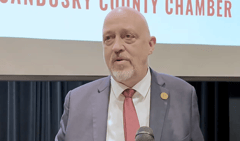
The most high-profile example of Republican infighting on the ballot is the Ohio House primary in the 88th District, where incumbent State Rep. Gary Click faces an insurgent right-wing challenge from Eric Watson.
Click, a Baptist preacher and former community theater actor living in the Fremont area, has built his legislative profile around social issues and alliances with statewide activist organizations. Watson has centered his campaign on fiscal restraint, local control, and criticism of what he describes as ideological politics that distract from core economic concerns.
According to Click, he is “not concerned” about the challenge, labeling Watson’s bid as being “in the ditch.”
The contest has drawn attention in part because it mirrors the same fault lines visible in the central committee races: disagreements over whether the party’s direction should be driven by ideological activism or by a focus on local governance and pocketbook issues.
The winner of the Republican primary will face Democrat Aaron Jones in November. Jones, a U.S. Army veteran, manufacturing supervisor, and Tiffin City Councilman, announced his campaign last month and has centered his bid on kitchen-table economic issues.
Why central committee races matter
Central committee seats rarely attract public attention, but they carry significant influence over a party’s direction between elections. Committee members elect party leadership, shape endorsement decisions, and — when elected officials resign or vacate office — can determine who fills those seats without a general election vote.
When control of a county central committee shifts, it can reshape the local party’s priorities, candidate recruitment, and operational direction for years.
What to watch on May 5th
With 30 contested central committee precincts, a competitive commissioner primary, and a state House race drawing attention beyond the county, the May 5 Republican primary will test whether Seneca County’s GOP emerges unified or fractures further into competing factions.
Early in-person voting begins April 7 at the Seneca County Board of Elections.