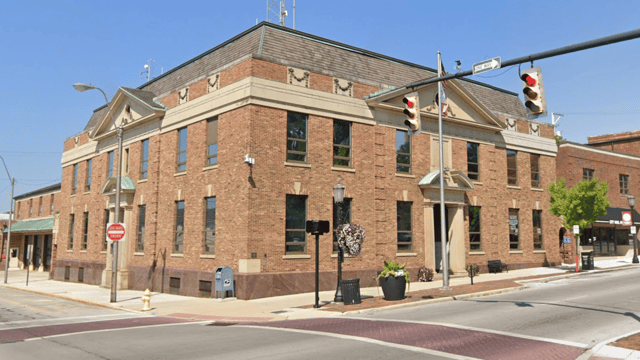
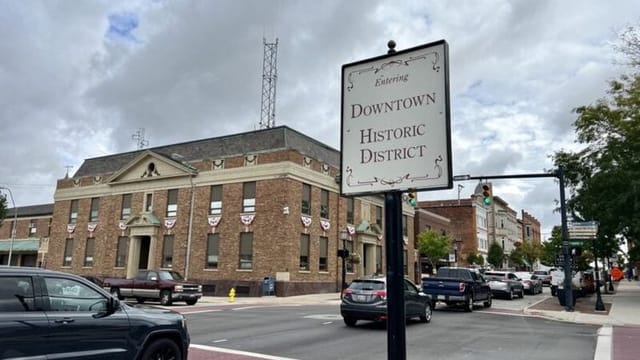
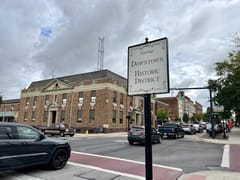
TIFFIN, Ohio — A city grant program credited with helping finance more than $4 million in downtown building improvements would receive no funding in 2027 under Tiffin’s proposed municipal budget, as declining income tax revenue forces the administration to reduce spending.
The city’s Façade Enhancement Program, which reimburses downtown property owners for a portion of eligible exterior improvements, received $100,000 in funding for 2026. Mayor Lee Wilkinson told City Council during a November 9 budget workshop that the proposed 2027 allocation had been reduced to zero.
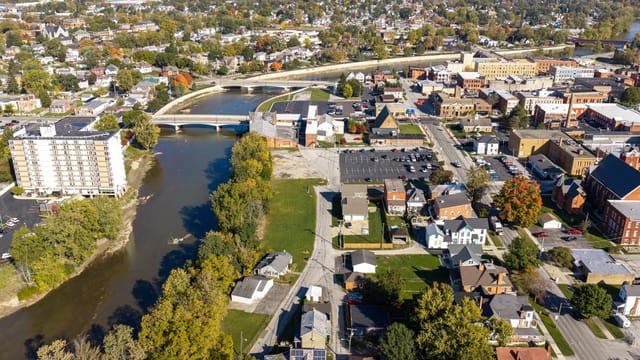
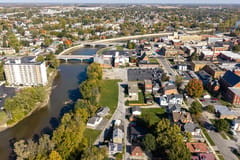
Established in 2014, the program has supported 150 approved projects representing more than $4 million in total downtown investment, according to figures released by Downtown Tiffin in January. The proposed elimination comes less than a year after Wilkinson publicly praised the program’s role in attracting private investment and preserving historic buildings.
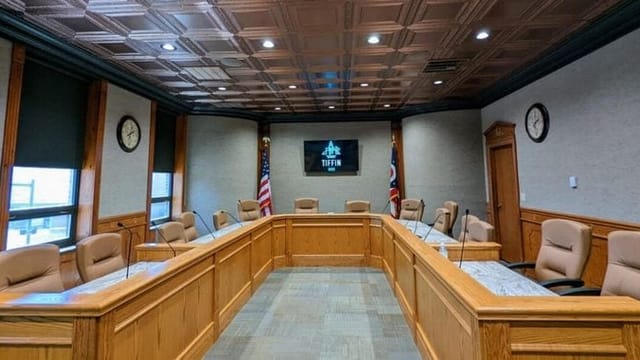
The funding reduction is part of a broader effort to address declining municipal income tax collections, which were down 2.66% through October. Council received the proposed 2027 budget for its first reading November 16 and has not yet voted on its adoption.
A decade of investment in downtown buildings
The Façade Enhancement Program provides matching grants covering up to 50% of eligible exterior improvement costs, with a maximum reimbursement of $10,000 per building annually. Projects must receive approval from the city’s Architectural Board of Review.
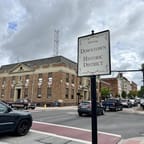
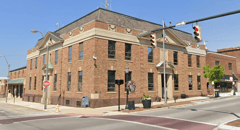
Funding can be used for improvements such as roof repairs, storefront restoration, window replacements and masonry work within the downtown historic district. Property owners contribute the remaining project costs, allowing municipal grants to support larger investments in aging buildings.
The program has maintained steady demand. In April 2025, the city awarded its entire $100,000 allocation to 15 downtown properties, supporting improvements that included roof replacements, historic window restoration and exterior repairs.
Those projects represented more than $298,000 in total investment, according to Downtown Tiffin. Recipients included properties along South Washington Street and East Market Street, where the grants helped finance improvements to buildings within the city’s historic commercial district.
The program’s cumulative reach has continued to grow. By January 2026, Downtown Tiffin reported 150 approved projects since 2014, accounting for more than $4 million in combined public and private investment.
When the city announced the program’s continuation on January 7, Wilkinson described it as “an important investment in the strength and character of our community.”
The city has previously adjusted the program’s annual funding. It allocated $50,000 in 2024 before restoring the amount to $100,000 in 2025 and maintaining that level for 2026. The current proposal would remove the annual allocation entirely.
City officials discuss preserving a reduced program
During the November 9 budget workshop, Wilkinson identified the façade grants among discretionary expenditures that could be eliminated as the city attempts to balance its 2027 spending plan.
The administration had anticipated approximately 2.5% annual income tax growth based on recent collections. Instead, receipts declined 2.66% through October, leading officials to reconsider spending commitments and seek a temporary waiver of the city’s minimum General Fund reserve requirement.
Additional discussion during the November 16 budget workshop addressed whether some funding could be preserved. City Administrator Nick Dutro acknowledged the need for reductions but questioned eliminating the program entirely, pointing to the investment it has helped generate downtown.
Wilkinson also acknowledged the program’s financial impact, telling council that municipal contributions had been accompanied by substantially greater private investment.
The exchange left open the possibility of restoring a reduced appropriation before the budget receives final approval. No restoration was included in the spending proposal introduced Monday.
The city is also reviewing other economic development expenditures. During the November 9 workshop, Wilkinson discussed paying the city’s $130,000 economic development services contract with the Seneca County Collaborative from the Economic Development Fund rather than the General Fund. He acknowledged that the separate fund, which held approximately $742,000, lacks a recurring revenue source and would provide only a temporary alternative.
Property owners face uncertainty over 2027 funding
For downtown building owners, the proposed cut would eliminate a recurring source of financial assistance for projects that can require substantial upfront investment. The grants have helped offset the cost of maintaining older commercial properties while encouraging owners to undertake improvements that might otherwise be delayed.
The program’s future depends on the final 2027 budget. Its funding is approved annually, and the city has not announced a replacement for the proposed $100,000 appropriation.
City Council is scheduled to continue budget discussions November 23 at 5:15 p.m. The proposed budget, Ordinance 2026-78, remains subject to amendment before adoption.
Council members could restore the program’s full appropriation or provide a smaller amount during the remaining budget deliberations. Without a change, the city would enter 2027 with no funding allocated to a grant program that has been part of Tiffin’s downtown revitalization efforts for more than a decade.