
Before it turned reliably red, Ohio was considered a bellwether for national politics. In every presidential election since 1964, the candidate who won Ohio, went on to win the White House.
“As Ohio goes, so goes the nation,” was the old saying.
We were the quintessential battleground state until we weren’t. That streak ended in 2020 when Donald Trump won Ohio but lost the presidency.
The Buckeye State went from purple to firmly in the GOP gerrymandered camp. Republicans have supermajorities in the state legislature and have locked down all statewide offices for years. Democrats hold a permanent minority status.
But 2026 polls suggest the minority party in Ohio suddenly has a 50-50 chance at winning not only a U.S. Senate seat, but also the governorship — which Dems have only managed to snag once, for one term, since 1991. They could even pick up a U.S. House seat or two.
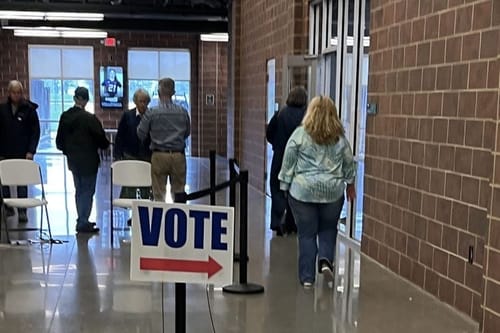
In eight weeks, we’ll find out whether Ohio swings or reverts to status quo. But the extraordinary tightness of its two marquee races for Senate and governor has certainly piqued national interest.
Could a Midwest Republican stronghold, in which elections have preordained outcomes, actually be in play for the midterms?
Is a state that Trump won three times (with higher succeeding vote percentages in each presidential election) be a surprise barometer of a shifting electorate in 2026?
Just two years ago, over 55% of Ohioans voted for a convicted felon with standing criminal indictments for conspiring to overturn the decision of voters in 2020 and for pilfering classified documents when he left the White House and resisting government attempts to retrieve them.
A majority of Ohio voters were willing to look past all that in exchange for Trump’s grandiose promises of peace and prosperity.
They were being crushed by the cost of living and trusted a reality TV star — who played a successful tycoon despite his real-life business failures and bankruptcies — to bring tangible relief.
Never mind that Trump’s first term as president ended with a severe economic crash, worsened by his extreme mishandling of the COVID-19 pandemic.
In 2024, more than 3 million Ohioans believed his fanciful pledges to lower gasoline prices below $2 a gallon, reduce the price of electricity, groceries and cars, cut new home costs in half, unleash historic levels of economic growth, and end inflation on Day One.
But 19 months into Trump 2.0, the economy is slowing, inflation has caught up with paychecks, gas prices are surging, electricity prices are hitting new highs, overall grocery prices are more expensive.
Exacerbating everything are the punishing global trade wars Trump started, including his recent hissy fit tariff offensive with Canada, along with the enormously costly, ongoing war of choice with Iran he launched in late February.
The national debt, under Trump and his Middle East quagmire, has surpassed $40 trillion.
Incredibly, the man who campaigned on slashing spending and cutting costs for everyday Americans (and did the opposite) is now promising midterm voters money if they give him two more years of unchecked power with the same Republican majority in Congress that enabled this wrecking ball.
Question is, are Ohio voters willing to again look past their financial pain (because of Trump’s policies) in exchange for a preposterous bribe they trust he’ll deliver?
Pollsters say voters are fickle — and they are — but two months before the midterms they are also mad as hell.
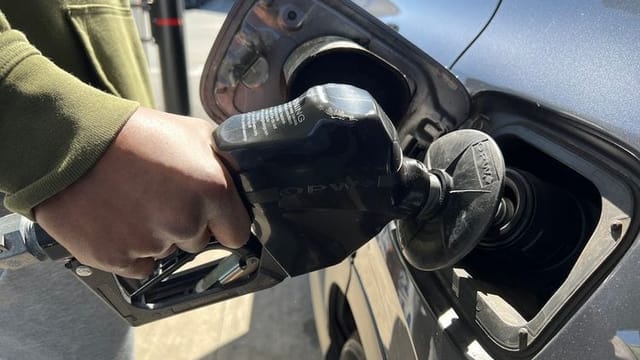
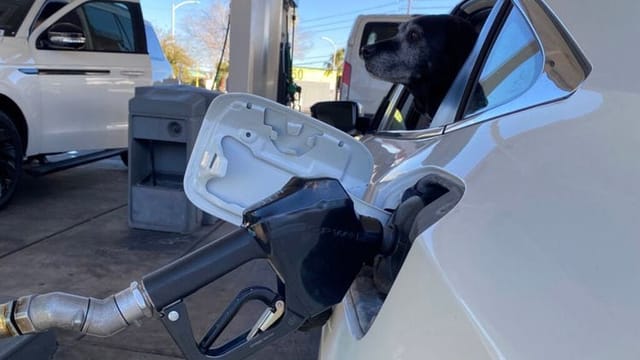
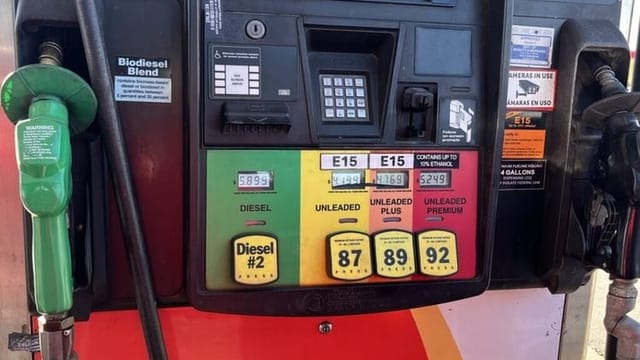
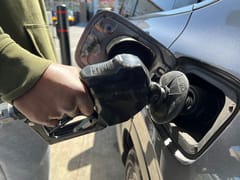
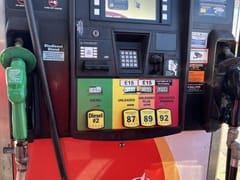
Gasoline prices keep climbing. At this writing, Ohioans are paying $4.16 per gallon, on average, to fill up their tanks. Diesel has soared to around $6.11 in the state. (That means any trucked in product from groceries to retail will cost you more).
Ohio farmers might as well throw up their hands. They are facing intense financial pressure from a combination of soaring diesel and fertilizer costs due to Trump’s war and millions of dollars in losses driven by his tariff policies.
Add to that ballooning tab record high electric bills in Ohio, a jump in ACA health insurance premiums for those still enrolled in Affordable Care Act marketplaces after congressional Republicans let cost-saving subsidies expire — doubling premiums for half a million Ohioans.
Nearly a third of them dropped coverage, the biggest enrollment cliff in the country.
Right after the midterms, hundreds of thousands of low-income Ohioans could also lose their health care coverage under Medicaid due to new federal rules and funding cuts enacted in Trump’s so-called One Big Beautiful Bill.
That rob-from-the-poor-to-give-trillions-in-tax-cuts-to-the-rich legislation, supported by every Ohio Republican in Congress, also made the largest cuts ever in the federal food stamp program — mainly used by children, seniors, those with disabilities.
Ohioans are going hungry as a result. Some 100,000 have lost vital help just to put food on the table. Food assistance funding has been shifted onto states regardless of their ability to pay.
SNAP policy analysts expect Ohio will have to come up with about $160 million to provide what the Trump/Republican bill won’t.
To many in the state struggling to feed their families, filling up half a tank, drowning in exponentially mounting costs from rent to utilities and out-of-pocket medical, it feels like Trump’s vaunted “golden age” missed Ohio. And people have no patience for empty platitudes when they’re broke.
They are sick and tired of the same old same old amounting to nothing.
Will their palpable frustration turn a reliably red state purple again on Nov. 3?
Who knows? But marquee toss-up races in Ohio could be a bellwether on the economy and an unpopular president.
This story is republished from the Ohio Capital Journal under a Creative Commons license. View the original article.