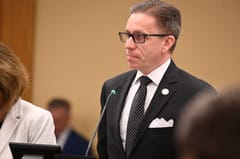
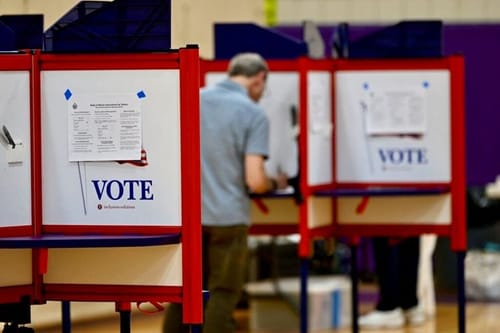

The nation is keeping an eye on Ohio’s November general election, particularly the governor’s race and those at the top of the ballot. But no matter who is elected to be the next governor, as secretary of state, or to a seat in the legislature, they all have to partner with the leader of the office that oversees the $280 billion in Ohio’s financial accounts.
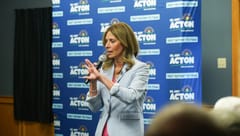
“We need to make sure people do know that this is one of the most important offices that their votes do matter on this year,” said Seth Walsh, a former Cincinnati community organizer and current Cincinnati City Council member who is the Democratic nominee running for Ohio Treasurer of State.
The state treasurer’s office has the authority to invest state money, and oversee the debts for the state, while also watching over programs for things like small business loans, investment opportunities for Ohioans, and homebuyer savings resources.
The office also works with county recorders in the state, and keeps records on topics like state government salaries, state revenue, and state spending, among other numbers, through the Ohio Checkbook.
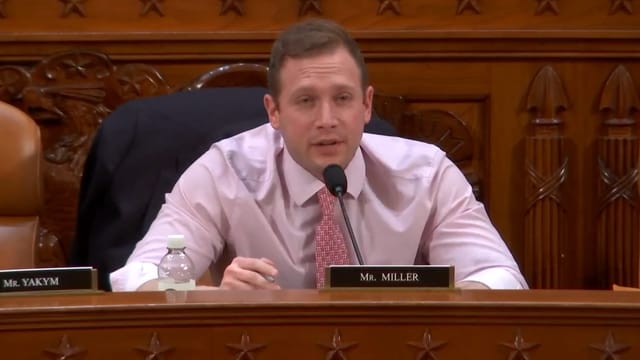
Walsh is running against Republican former state lawmaker Jay Edwards in the race.
Walsh was uncontested in the Democratic primary in May, while Edwards won in a tight race against fellow legislator Sen. Kristina Roegner, R-Hudson.
That primary race was treated as a test of endorsements, with Edwards touting support from Vice President JD Vance and Ohio GOP U.S. Sen. Bernie Moreno, while Roegner was endorsed by Ohio GOP candidate for governor Vivek Ramaswamy.
In previous comments to reporters about running again for elected office, Edwards said he wants to help maintain the “Trump Republican Party.”
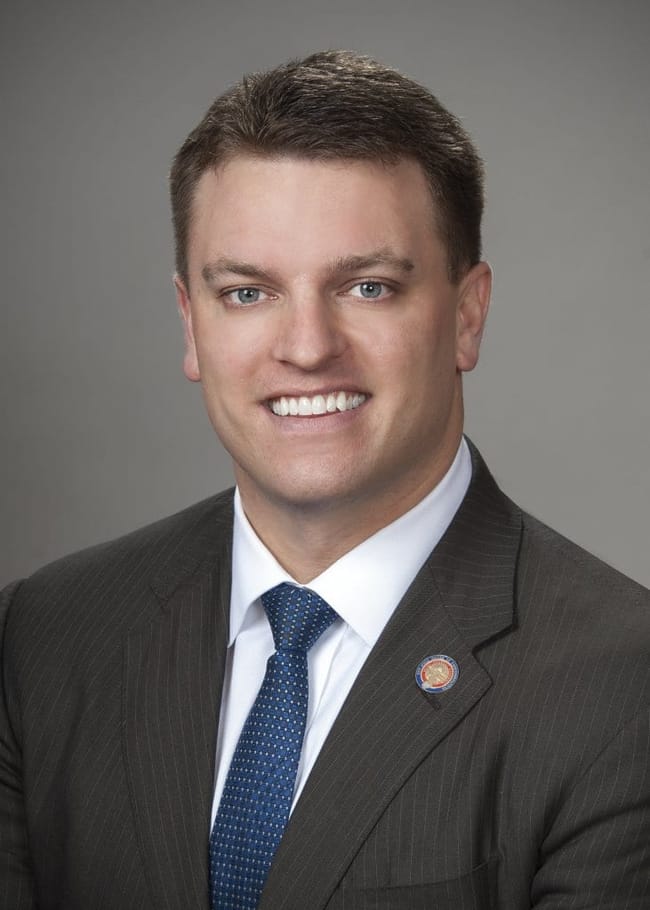
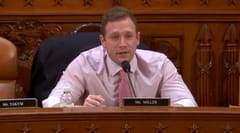
The Nelsonville resident served as a state representative for the 94th District from 2017 to 2024, chairing the Ohio House Finance Committee during his last two years in office.
If elected again, he said he plans to focus on “keeping taxpayer money in Ohio” as treasurer.
“I don’t see any reason why the state treasurer spends so much money with Wall Street banks, and the Wall Street investors in the state,” Edwards said. “We want to support community banks, credit unions, right here in the state of Ohio.”
On the topic of the unclaimed funds account held under the Ohio Department of Commerce, which other lawmakers pledged to use to pay for sports stadiums and other venues, Edwards said Ohioans he talks to know “it’s very negative, what was done in the budget, and I can tell you, if I was finance chair, it wouldn’t have happened.”
“The one good thing that has came from that is a lot of people are now claiming their unclaimed funds, it kind of shined a light on that,” Edwards told the Capital Journal.
An effort to use the funds as lawmakers planned has been blocked by a state court, but the lawsuit remains ongoing.
Walsh is staunchly against using the fund for projects like sports stadiums. In a pre-primary interview with the Capital Journal, he said the treasurer’s office “has a fiduciary responsibility to be on that lawsuit saying absolutely not.”
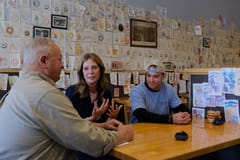
The Democratic nominee has made his way across the state talking to those who work in community development, conversations that have bolstered a plan he’s had to use local resources to reinvest in the state.
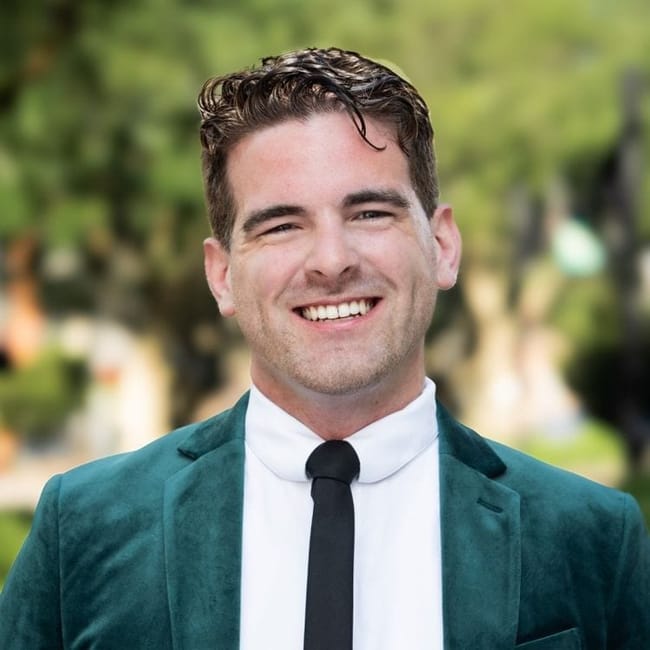
“I’ve always believed we can use the state treasurer’s office to rebuild Ohio, but now I see the tools and I see the experts who know how you can use these tools really well, that can help educate us on how we can build out from there,” Walsh told the Capital Journal.
Walsh said he has talked to Ohioans of all backgrounds and political leanings in the last year, and a common theme has arisen.
“In general, what I hear around Ohio … people just feel very left behind by everybody,” Walsh said. “They feel like the work has been set up in a way in which they don’t win and there’s no path to victory, and they’re tired of just feeling like no matter what they try to do, it doesn’t get better.”
Edwards has heard the same in his discussions at county fairs and other campaign events.
“I don’t think there’s any doubt that people are struggling, and electricity prices, and property taxes, and gas prices and things are a struggle for people, and so we’re trying to talk about solutions to try to fix some of those issues,” he said.
One plan at the top of the list for Edwards is to revitalize the Ohio Checkbook. Because he’s heard voters talk about wanting to know exactly where their tax dollars are being spent, he thinks the record-keeping arm of the treasurer’s office could be a simple way to bring that information to the forefront.
“We’d really like to try to figure out how we can invest in the Ohio Checkbook, to make it simple, so whether you’re a farmer in Northwest Ohio or a mechanic in Southeast Ohio, you can log in there, you can see how the state’s spending your money,” Edwards said.
Through all the discussions, even with those who were forthright about their plans not to vote for him, Walsh said the idea was to understand where voters are, and how the treasurer’s office can help.
“I see my job (as treasurer, if elected), and I think the job of any elected official is you have to be fearless in just having conversations with people,” he said. “You don’t have to agree, and you don’t have to vote for me to make me want to make your life better.”
This story is republished from the Ohio Capital Journal under a Creative Commons license. View the original article.