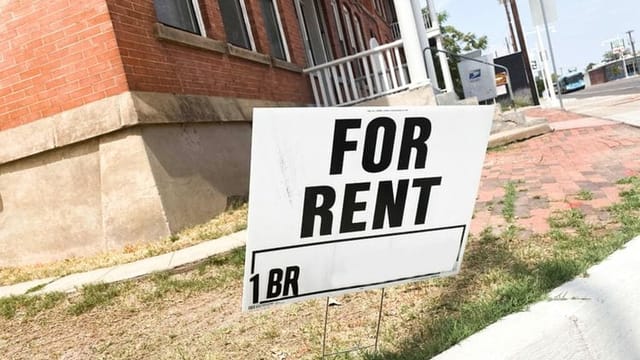


The number of people experiencing homelessness in Ohio in 2025 increased more than 3%, according to the U.S. Department of Housing and Urban Development.
There were 12,196 people experiencing homelessness in Ohio last year, according to HUD’s annual Homelessness Assessment Report.
Overall homelessness in the U.S. decreased 3% with 745,652 people experiencing homelessness.
“We know that housing is what helps solve homelessness, and it really is just how we as a state and as a system can fine tune our approaches so that we can reach everyone in Ohio who might face homelessness,” said Amy Riegel, executive director of the Coalition on Homelessness and Housing in Ohio.
HUD’s Point-in-Time count are one-night estimates of sheltered and unsheltered people experiencing homelessness that took place in January 2025.
About 20% of those experiencing homelessness in Ohio were unsheltered, according to the report.
“(Unsheltered) is a type of homelessness that people tend to see more because it is out in the open, whereas for individuals who might be experiencing homelessness and who are staying in a shelter — which is very common with family homelessness — you don’t see that as much, Riegel said.
The report estimates there are 1,452 chronically homeless people, 946 unaccompanied homeless youth, and 668 homeless veterans in Ohio.
“We know that these increases in chronic homelessness are directly tied to the lack of housing that we have in our communities,” Riegel said. “Building more deeply affordable housing is incredibly important,”
Ohio also has a shortage of 266,000 affordable and available rental units, according to the 2026 Gap Report by the National Low Income Housing Coalition and COHHIO.
“Housing is not improving on the affordability side, especially for those who are the most vulnerable and who have the lowest income within our communities, so with that situation, we know it’s becoming more difficult for individuals to stay housed and to find that housing that they really can remain in for a long period of time,” Riegel said.
Another way to reduce homelessness is having protections for the renter.
“(When a landlord) realizes that they could start renting their unit for twice as much as they’re charging today, where they just kick the renter out, knowing that the renter will probably not be able to defend themselves in court if they try to challenge it,” she said.
“We see all kinds of other ways that landlords are trying to undercut individuals who are currently in their housing for the promise of somebody else who might be able to pay more or who might be able to stay longer within the unit, so being able to protect individuals and their units is really important.”
The number of homeless people in Ohio has increased 8.3% since 2007, according to the report.
Franklin County’s annual Point-in-Time Count identified 2,587 people experiencing homelessness in January — a 1.2% increase from 2025.
Franklin County, the state’s most populous county, is projected to see a 68% increase in unsheltered homelessness by 2028.
Ohioans need to be making at least $22.51 an hour working a full-time job to be able to afford a “modest” two-bedroom apartment, according to an annual report released last year.
Follow Ohio Capital Journal Reporter Megan Henry on X or on Bluesky.
This story is republished from the Ohio Capital Journal under a Creative Commons license. View the original article.