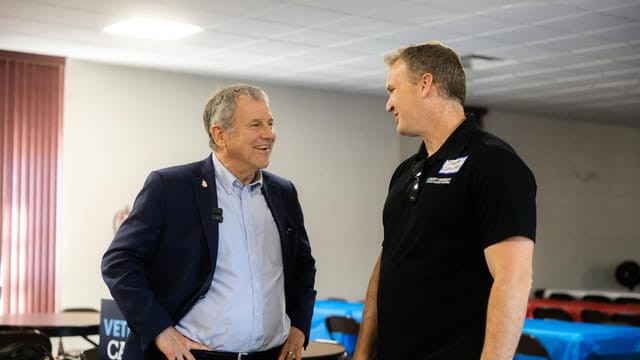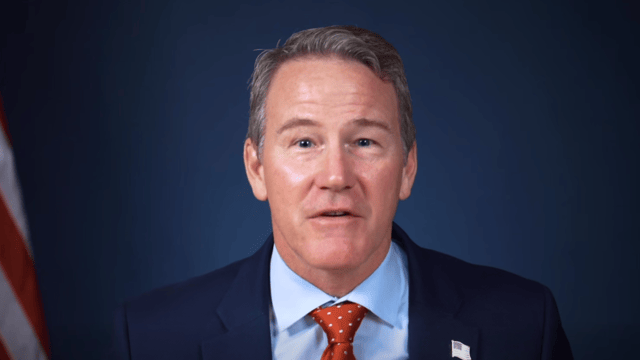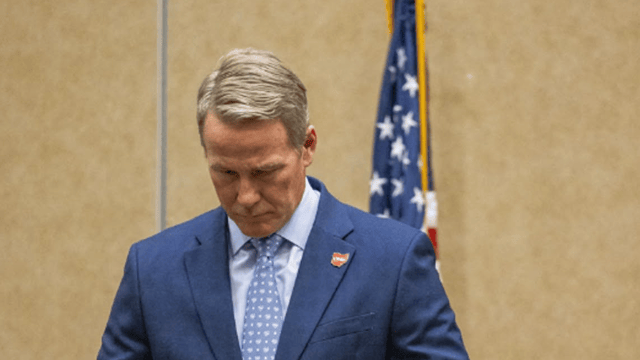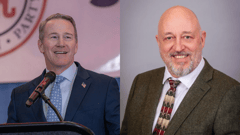
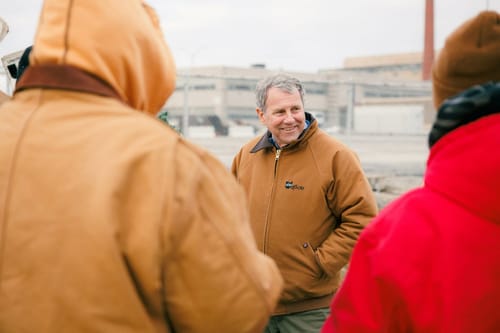

The cryptocurrency industry is pouring at least $30 million into Ohio to stop Democrat Sherrod Brown from returning to the U.S. Senate.
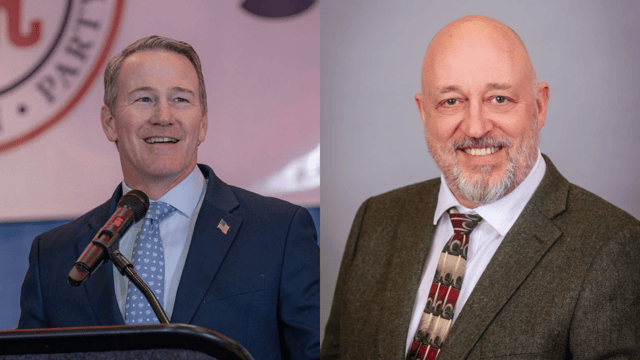
Fairshake, the powerful crypto-backed super PAC, has committed $30 million to opposing Brown in his race against Republican U.S. Sen. Jon Husted, according to Punchbowl News and CoinDesk.
The spending is Fairshake’s largest commitment against any single candidate in the 2026 midterms.
It also marks the second time in two elections that the crypto industry has poured tens of millions of dollars into keeping Brown out of the Senate.
In 2024, Fairshake’s network spent roughly $40 million helping Republican Bernie Moreno defeat Brown, who was then chairman of the Senate Banking Committee and one of the industry’s most prominent critics.
Now Brown is attempting a comeback against Husted — and the crypto money is back.
The new $30 million commitment comes just six days after the Senate dealt the industry a major defeat by refusing to advance the Digital Asset Market Clarity Act, the crypto industry’s biggest legislative priority.
Crypto bill dies in Senate
On Sept. 15, senators voted 49-50 against invoking cloture on the motion to proceed to the CLARITY Act, according to the official Senate roll call.
The legislation needed 60 votes to advance.
Every Democrat who voted opposed moving forward with the bill. Four Republicans — Susan Collins of Maine, Josh Hawley of Missouri, Jerry Moran of Kansas and Thom Tillis of North Carolina — also voted no. Democratic Sen. Chris Coons of Delaware did not vote.
Democrats had demanded stronger restrictions surrounding President Donald Trump’s extensive financial interests in cryptocurrency, while some Republicans also raised objections to provisions involving banks and stablecoins.
The bill would have established a broad federal framework governing digital assets and divided regulatory authority between the Securities and Exchange Commission and Commodity Futures Trading Commission.
The vote was a major setback for an industry that has spent heavily in federal elections trying to elect lawmakers favorable to its policy agenda.
Fairshake’s move against Brown followed less than a week later.
Crypto industry already spent $40M against Brown
This is familiar territory in Ohio.
As TiffinOhio.net previously reported, cryptocurrency interests spent roughly $40 million in 2024 to help Moreno defeat Brown.
The ads funded by the crypto network largely focused on conventional political issues rather than cryptocurrency itself.
The strategy worked. Moreno defeated Brown 50% to 47%, ending Brown’s three terms in the Senate.
Brown had chaired the Senate Banking Committee, putting him in a powerful position over cryptocurrency regulation. The industry viewed him as a major obstacle to legislation it wanted passed.
Brown has taken a more conciliatory position toward cryptocurrency during his 2026 comeback campaign.
Earlier this year, Brown campaign manager Patrick Eisenhauer told TiffinOhio.net that Brown “recognizes that cryptocurrency is a part of America’s economy” and would “keep an open mind” while seeking protections for consumers.
That shift has not stopped the industry from targeting him again.
Fairshake still has a massive war chest
Fairshake is backed by some of the biggest names in cryptocurrency, including Coinbase, Ripple Labs and venture-capital firm Andreessen Horowitz.
Federal Election Commission records show Fairshake had raised more than $137 million during the current election cycle through July 31 and had nearly $113 million in cash on hand at the end of that reporting period.
Even after committing $30 million against Brown, a Fairshake spokesman told CoinDesk that the group still has more than $90 million available for the final weeks of the election.
Brown’s campaign responded Monday by tying the spending directly to Husted.
“Jon Husted’s for sale and the billionaires and corporations pouring millions into this race know it,” Eisenhauer said.
The $30 million arrives as outside money is already flooding Ohio’s Senate race.
Reuters reported last week that the Husted-Brown contest had already attracted about $298 million in advertising spending, putting it on track to rank among the most expensive Senate races of the midterm cycle.
The winner of the Nov. 3 special election will serve the remainder of the Senate term vacated when JD Vance became vice president.