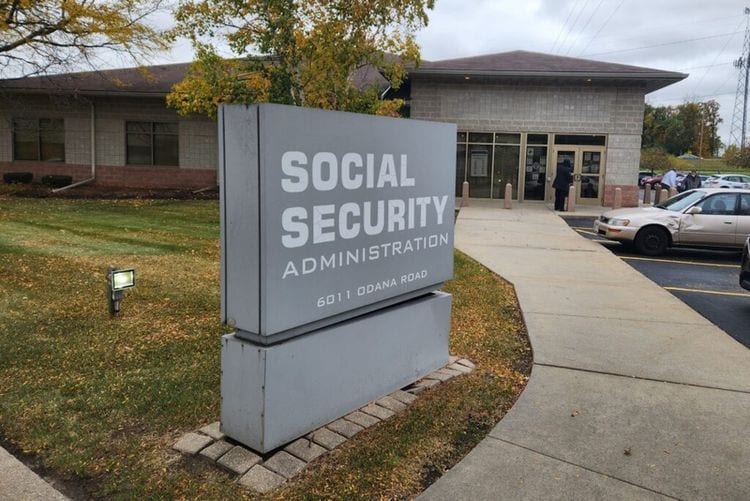
Jon Husted opposes making the wealthy pay their fair share into Social Security
Husted opposes the bipartisan plan to lift the Social Security payroll tax cap, which would require higher earners to pay more into the system.

Type at least 2 characters to search.
Page 3 of 5
Husted opposes the bipartisan plan to lift the Social Security payroll tax cap, which would require higher earners to pay more into the system.
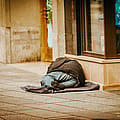
Ohio's count rose to 12,196 even as U.S. homelessness fell 3%, with Franklin County projected to see a 68% spike in unsheltered homelessness by 2028.
The Commonwealth Fund projects Ohio loses $368 million in state and local tax revenue, while the $200 million rural health fund Republicans added fails to offset ACA subsidy losses.

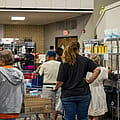
More than 4 million Americans lost SNAP benefits since February 2025, and 23 state attorneys general are now urging the Senate to reverse cuts in the pending farm bill.
AARP Ohio says 700,000 seniors could be pushed into poverty by 2032, as Sen. Jon Husted's office declined to comment and a balanced-budget amendment drew Democratic fire.

Exxon and Chevron warn oil could hit $150–$160 a barrel as diesel stocks hit a 40-year low, while U-M sentiment data shows consumers already cutting spending.

A new SSA report shows the trust fund depletes a few months sooner than last year's estimate, which would cut benefits to 78% for 68 million recipients unless Congress acts.
A Brookings Institution analysis finds 40% of Ohio households can't make ends meet, a crisis dating to 2014 with steeper impacts on families of color and single parents.

A Roosevelt Institute study shows long-term care costs force even wealthy families to spend down assets to Medicaid limits, while Trump's healthcare law threatens to cut another $150 billion from nursing home payments.

The cuts follow 80,000 Ohioans losing SNAP benefits since July, with older adults ages 55-64 hit hardest after losing work requirement exemptions.

Officials say the real number of people sleeping outside is likely higher, with unsheltered homelessness projected to jump 68% by 2028.

A new analysis finds Ohio families could lose more than $15,000 a year in child care assistance after the Trump administration moved to scrap a Biden-era affordability cap — the largest projected loss of any state in the country.

About 40% of college students report experiencing food insecurity. A bipartisan Ohio House bill would create a statewide Hunger-Free Campus Grant Program, providing $625,000 annually to help schools expand food pantry services and earn a hunger-free designation.
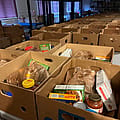
A new Brookings Institution analysis finds federal food stamp work requirements don't increase employment — and at least 2.5 million people have already lost SNAP benefits since the One Big Beautiful Bill Act was signed into law last summer.
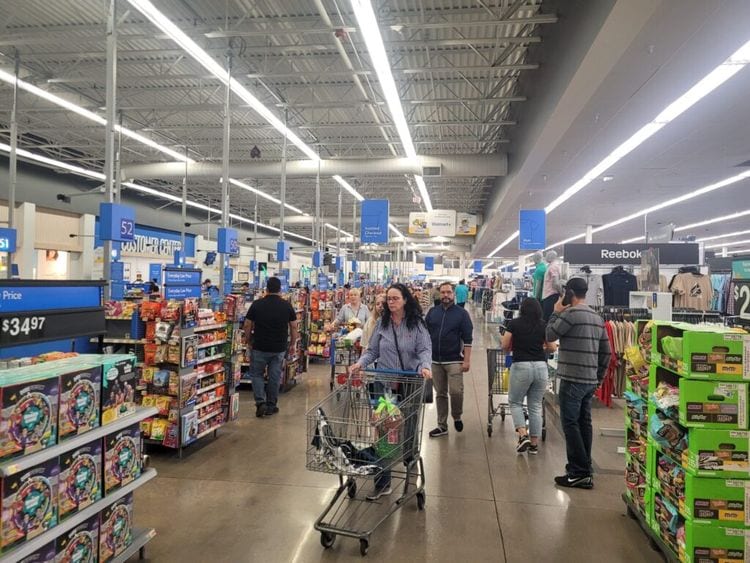
Long-term care facilities in Ohio are increasingly discharging their residents to homeless shelters, according to federal inspection reports, resident advocates, and the industry itself.
A new Policy Matters Ohio report finds that Ohio's $11-an-hour minimum wage isn't enough to cover basic living costs in any of the state's 88 counties — and under current law, workers won't see a $15 wage until 2034.

Ohio served more than 2.6 million summer lunches in 2024 — a 3-year participation high — but researchers warn federal SNAP cuts in the One Big Beautiful Bill Act will increase child food insecurity and shrink program eligibility just as demand grows.

A new study found at least 2.5 million people lost SNAP benefits in the 6 months after the One Big Beautiful Bill became law — without any improvement in economic conditions to explain the drop.

The Ohio House passed a $12.5 million SNAP stopgap that splits funds equally across all 88 counties — leaving Cuyahoga County facing a $7.5 million shortfall while smaller counties are made whole — after Democrats' needs-based amendment was voted down.
New work requirements under Trump's One Big Beautiful Bill are projected to cause at least 900 premature deaths in Ohio by 2040 — rising to 23,000 if Ohio abandons SNAP entirely under a nearly $400 million cost burden the law imposes on states.