
When signs went up at Cuyahoga Valley National Park, following the Orwellian executive order issued by Donald Trump last year to sanitize the darker chapters of American history chronicled at more than 400 federal sites across the country, it was government thought-control come to life.
The citizenry would align with only politically approved, official truths. Shock gave way to censorship.
National Park Service rangers, steeped in the historical journey of a nation like no other, were pressured to deep-six painful truths about everything from slavery to Japanese American internment camps and focus on the “greatness of the achievements and progress of the American people.”
Posted signs at the national park in northeast Ohio urged visitors to report “negative” content or information shared about our imperfect union or material that fell short of fawning over the country’s “beauty, grandeur, and abundance”
But that executive order, to erase the discomfiting realities of America’s worst moments — lest they detract from the best — was buried in Trump’s flurry of unilateral directives (at least 259 EOs by last count), from dismantling USAID and other federal entities created by Congress to attacking constitutionally protected birthright citizenship.
News about National Park Service employees being forced to remove or alter hundreds of interpretive signs or exhibits across numerous national parks that explored topics deemed too “divisive” or “disparaging” by the Trump regime was just another dystopian flashpoint.
Government mandated accounts of history were to highlight the good and hide the bad.
That covered a lot of territory for fanciful course correction on documents detailing say, the historical effects of climate change, or turbulent labor history, the slaughter of Native Americans, and clearly enslavement to emancipation to the legacy of Jim Crow.
Flagged items destined for removal included those that revealed key Civil Rights moments on the Selma to Montgomery National Historic Trail, or a reproduction of “The Scourged Back,” the infamous 1836 photo of former Louisiana slave Peter Gordon, with horrific raised scars from an old whipping, taken down at Fort Pulaski National Park in Georgia.
Even an exhibit that examined “the paradox between slavery and freedom in the founding of the nation” was stripped from the walls of the President’s House Site in Independence National Historic Park in Philadelphia.
I had an up-close visceral reaction to that partially empty exhibit last week.
Hoping to beat the crush of the 250th anniversary crowds traveling to the birthplace of American independence this summer, I set out to see the room where it happened.
To go where courageous idealists, forged in the Age of Enlightenment, gathered to conceive of a new, world-changing republic rooted in self-evident truths, inalienable rights, and the consent of the governed.
Enough ground-breaking liberty to convince Americans to put their lives on the line. To be a free people who refused to bow to tyrannical kings. Then and now.
My Philly pilgrimage to historical landmarks that led to the signing of the Declaration of Independence and early years of a fledgling democracy, taught a cynic like me that the spirit of the colonial era (that ended with the American Revolution) may yet save us.
To my surprise, I discovered the essence of open rebellion at the decimated slavery exhibit that once adorned the foundations of the former home of George Washington and John Adams.
The sign was salve for the soul.
First the backstory.
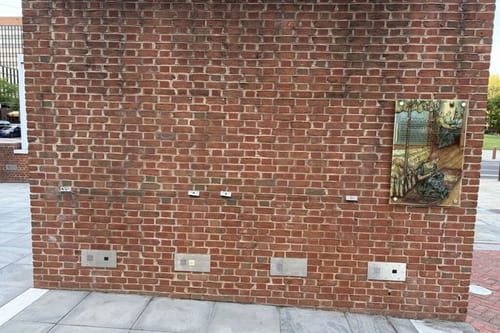
In January, without warning, National Park Service workers removed several panels from the open-air site that commemorated enslaved people who worked at the nation’s first executive mansion — following Trump’s edict to get rid of displays that “inappropriately disparage Americans past or living” or promote “corrosive ideology.”
The twisted mandate to present only positive views of American history meant taking a crowbar to panels depicting “The Dirty Business of Slavery” in the making of a new nation.
But Philadelphia fought back.
“Donald Trump will take any opportunity to rewrite and whitewash our history — but he picked the wrong city and the wrong Commonwealth,” said Pennsylvania Gov. Josh Shapiro.
A federal judge ordered the slavery exhibit restored in a scathing ruling that cited George Orwell’s “1984” novel — “as if the Ministry of Truth now existed” with its ‘Ignorance is Strength’ motto, “the court is asked to determine whether the federal government has the power it claims to dissemble and disassemble historical truths when it has some domain over historical facts. It does not.”
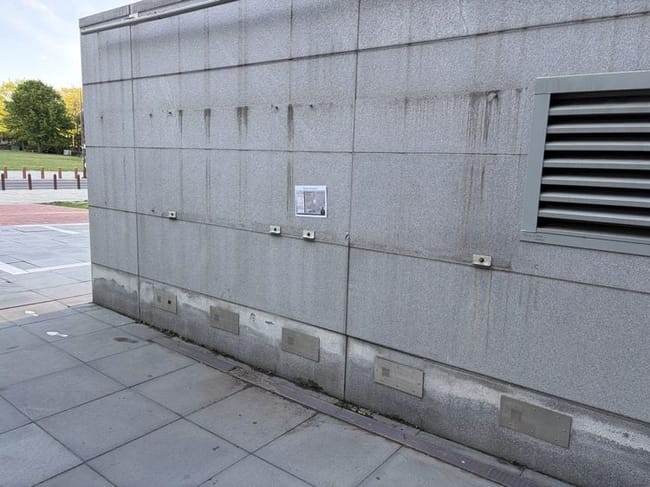
But a later appeals court stayed full restoration of the exhibit and 15 panels of the original 30 — that documented the “hidden history” of slavery at the founding site, traced the lives of enslaved workers, the conditions they endured, the resistance they mounted, and ultimately, their paths to freedom—are conspicuously missing.
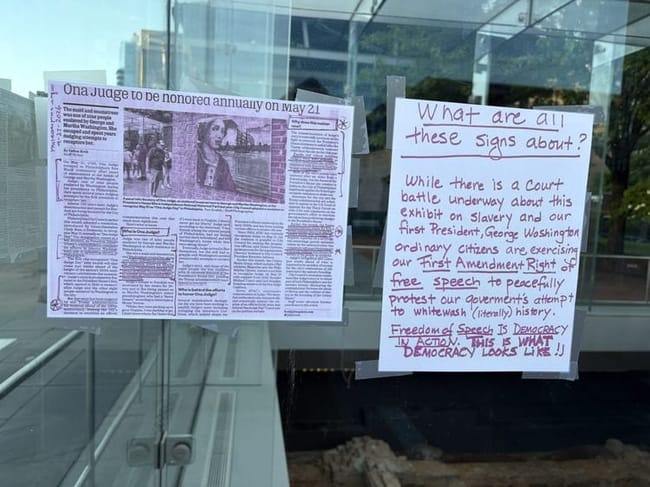
Yet anonymous keepers of the flame of historical truth have tacked up copies of some of the omitted panels along with related articles on bare exhibit walls to shed light on what Team Trump purged.
One hand-written sign said while the court battle is underway “ordinary citizens are exercising our First Amendment right of free speech to peacefully protest our government’s attempt to whitewash (literally) history.”
Grassroots groups give oral histories of slavery’s stain during the week in defiance of official suppression.
This story will be told.
The revolutionary zeal of we the people that once tore free of tyranny fights on.
Take inspiration from even small sprouts of passioned dissent that truly embody the American ideal.
I do.
This story is republished from the Ohio Capital Journal under a Creative Commons license. View the original article.