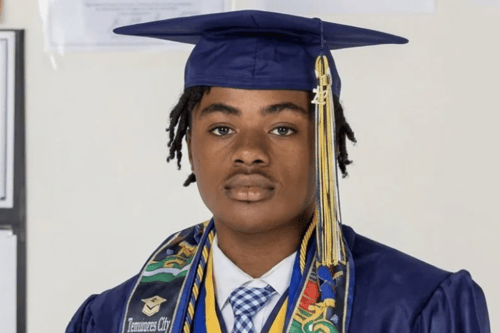
SPRINGFIELD, Ohio — Pierre Damas Bel had been a college student for exactly one week.
The 20-year-old Springfield High School honors graduate had started classes at Wright State University on Aug. 24, studying physiology and neuroscience as he prepared for what he hoped would eventually become a career in medicine.
By Monday morning, he was dead.
Bel was struck and killed by a tractor-trailer on Interstate 70 in Clark County after exiting his vehicle and entering the westbound lanes, according to the Ohio State Highway Patrol’s initial investigation.
His family says he died by suicide after weeks of mounting distress over an electronic GPS monitor that U.S. Immigration and Customs Enforcement had strapped to his ankle following the termination of Temporary Protected Status for Haitians.
The Highway Patrol said the circumstances surrounding Bel’s death remain under investigation.
What happened in the weeks before his death, however, is increasingly well documented through Bel’s own social media posts, statements from his father, school records and the federal government itself.
An honors student with plans for medical school
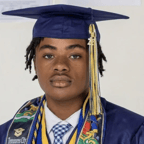
Bel graduated from Springfield High School in May as a member of the Class of 2026.
Springfield City Schools said he participated in the National Honor Society, Marine Corps Junior Reserve Officers’ Training Corps and varsity boys soccer program. He played forward and midfield for the Wildcats.
He was also an Award of Excellence scholarship recipient, one of several Springfield seniors recognized this spring for academic achievement, service, character and leadership.
Bel was the oldest of three children.
On Aug. 24 — the first day of Wright State’s fall semester — he began college. His social media posts described plans to study physiology and neuroscience before attending medical school.
Wright State President Sue Edwards described him Tuesday as an active honors student who was passionate about soccer and had already become engaged in his classes and campus community.
“We are heartbroken by this devastating loss,” Edwards said.
ICE put a GPS monitor on his ankle
Bel’s college experience began against a dramatically different immigration backdrop than the one under which he had finished high school.
The Trump administration terminated Haiti’s Temporary Protected Status designation, and after a June Supreme Court ruling cleared a legal obstacle to the termination, TPS protections for Haitians ended July 27.
TPS had allowed hundreds of thousands of Haitians already in the United States to remain and work legally because of dangerous conditions in Haiti.
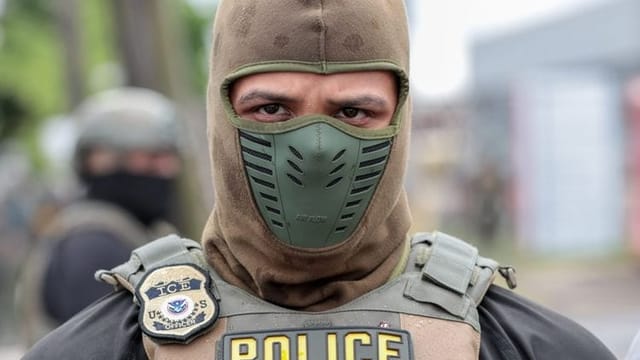
Immigration authorities subsequently began summoning Haitians from Springfield for in-person check-ins at ICE offices in Blue Ash and Westerville. Many emerged wearing electronic ankle monitors.
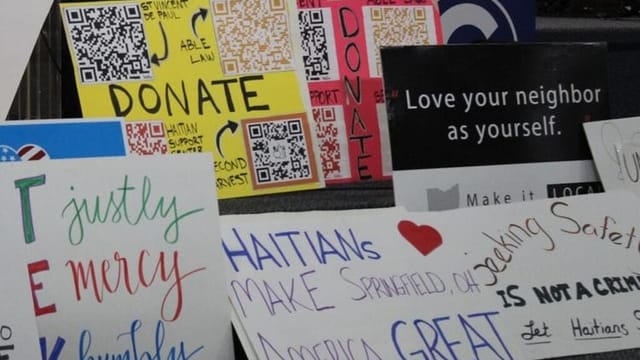
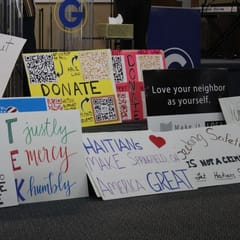
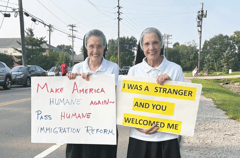
TiffinOhio.net previously reported on the monitoring effort and the objections from Springfield-area pastors and immigrant advocates who said the devices stigmatized people who had been living and working legally under TPS.
Bel was among them.
In a statement released Tuesday, the Department of Homeland Security confirmed that ICE placed Bel into its Alternatives to Detention program with an ankle monitor on July 29 while his immigration proceedings continued.
The Washington Post reported that Bel also had a pending asylum claim.
The next day, July 30, Bel publicly described what the monitor was doing to him.
“I came to this country to pursue my education. I didn’t come here to commit a crime or hurt anyone,” Bel wrote on Instagram.
He described walking around with the device as a source of “shame and humiliation” and questioned how he would be able to continue playing college sports with it strapped to his leg.
His father says he begged to have it removed
Bel’s father, Pierre Ronal Bel, said his son made two trips to federal immigration offices in an attempt to persuade officials to remove the device.
They did not.
“After my son was outfitted with the ankle monitor, he felt like he was treated like an animal,” his father said in a statement read Tuesday by Springfield pastor Carl Ruby.
His father said the device interfered with soccer and embarrassed his son. Family members and advocates also say Bel was mocked by other students because of the monitor during his first week at Wright State.
Wright State said Tuesday that it has “no confirmed information regarding complaints or investigations into bullying related to the student.”
But according to his father, bullying was precisely what Bel raised during their final conversation.
At 8:03 a.m. Monday, Bel called his father and said he was not doing well mentally, his father said. He told his son to come home so they could talk.
Less than an hour later, the Highway Patrol was dispatched to Interstate 70.
DHS defends its handling of Bel
The Department of Homeland Security confirmed Tuesday night that it had been notified of Bel’s death and that ICE had placed him on electronic monitoring July 29.
The agency declined to comment on the cause of death while the Highway Patrol investigation remains pending.
DHS characterized Bel as a “non-detained illegal alien from Haiti” and said he had entered the United States in March 2024 through a CBP One appointment before being released while his immigration proceedings continued.
The agency defended the use of monitoring and said immigrants facing removal can instead voluntarily leave the United States through the government’s CBP Home self-deportation program.
“Remaining in the country illegally, while fighting removal, is a choice,” DHS said.
Bel’s family and immigrant advocates see the government’s actions very differently.
Guerline Jozef, executive director of the Haitian Bridge Alliance, said Bel had become depressed after losing TPS and that the prospect of deportation had become unbearable to him.
Ruby said the family wants the public to understand the role they believe federal immigration policy played in their son’s deterioration.
The same Springfield targeted by the ‘eating the pets’ lie
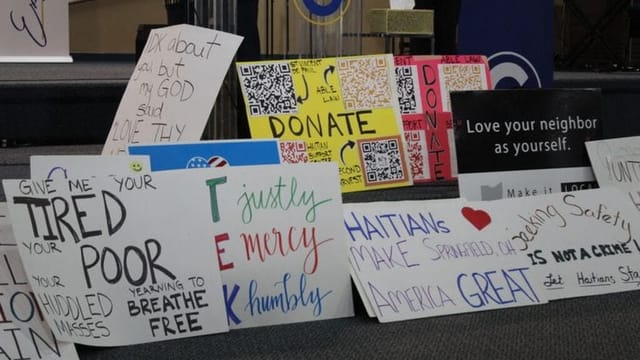
Bel’s death comes two years after Springfield’s Haitian community became one of the most recognizable targets of the national immigration debate.
During the 2024 presidential campaign, then-Sen. JD Vance amplified false allegations that Haitian immigrants in Springfield were abducting or eating residents’ pets. Donald Trump then repeated the claim before tens of millions of viewers during a presidential debate.
Springfield officials and police said there were no credible reports supporting the allegation. Republican Gov. Mike DeWine called the story “a piece of garbage that was simply not true.”
PolitiFact later named Trump and Vance’s Springfield claims its 2024 Lie of the Year.
There is no public evidence that those false claims themselves caused the federal government’s later decision to terminate Haitian TPS or its use of electronic monitoring.
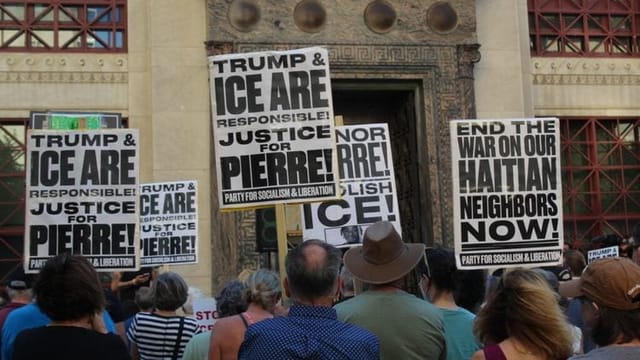
But Springfield’s Haitian residents — the same community turned into a national political symbol during the 2024 campaign — are now experiencing a concentrated immigration enforcement effort involving detentions, deportation proceedings and ankle monitors.
On Tuesday, DeWine publicly questioned whether that approach is what Americans want carried out on their behalf.
“Do we want this being done, this mass deportation, in our name?” the Republican governor asked reporters. “Do we really support that?”
A life larger than an immigration case
The Centers for Disease Control and Prevention cautions that suicide is rarely caused by a single circumstance or event. Individual, interpersonal, community and societal factors can interact in complicated ways.
Bel’s family is nevertheless unequivocal about what they witnessed in the final weeks of his life: a young man who had graduated with honors, earned a scholarship, played varsity soccer and begun pursuing medicine became increasingly distressed after the loss of his immigration protections and the placement of a GPS monitor on his ankle.
His father said his son felt humiliated.
Bel himself had written about that humiliation publicly more than a month before his death.
He was 20 years old.
He had finished only his first week of college.
If you or someone you know is experiencing suicidal thoughts or emotional distress, call or text the 988 Suicide & Crisis Lifeline. Free, confidential support is available 24 hours a day. You can also text HOME to 741741 to reach a volunteer crisis counselor through Crisis Text Line.